Christian Counselling Courses: Complete Guide 2026
· MyFiladelfia

The intersection of faith and mental health support has never been more vital in today's world. As churches and communities recognise the growing need for compassionate, biblically grounded care, christian counselling courses have emerged as essential training for believers called to serve others. These programmes combine theological depth with practical counselling skills, preparing individuals to address the spiritual, emotional, and psychological needs of those seeking guidance. Whether you're a pastor, ministry leader, or simply someone with a heart for helping others through a Christian lens, understanding the landscape of available training options is the first step towards effective service.
Understanding the Foundation of Biblical Counselling Education
Christian counselling courses differ significantly from secular counselling programmes by placing Scripture at the centre of therapeutic practice. This fundamental distinction shapes every aspect of the curriculum, from theoretical frameworks to practical application.
Core Components of Faith-Based Training
The structure of christian counselling courses typically integrates several key elements that distinguish them from conventional mental health training:
- Biblical hermeneutics and theological foundations
- Integration of psychology and Scripture
- Spiritual formation and personal growth
- Ethical considerations from a Christian worldview
- Practical counselling techniques grounded in biblical principles
These components work together to create well-rounded counsellors who can navigate complex human experiences whilst maintaining doctrinal integrity. The School of Biblical Counseling at CCEF offers comprehensive programmes that exemplify this balanced approach.

Many programmes now incorporate case studies, role-playing exercises, and supervised practicum experiences to ensure students develop both theoretical knowledge and practical competency. This hands-on approach proves essential for building confidence before entering real-world ministry contexts.
Levels of Christian Counselling Training Available
Christian counselling courses exist across a spectrum of academic and professional levels, each designed to meet specific ministry needs and career aspirations.
Certificate and Diploma Programmes
Entry-level christian counselling courses often take the form of certificates or diplomas, making biblical counselling accessible to those without extensive academic backgrounds. These programmes typically require between six months and two years to complete.
| Programme Type | Duration | Typical Requirements | Best For |
|---|---|---|---|
| Certificate | 6-12 months | Basic education | Lay counsellors, volunteers |
| Diploma | 1-2 years | Secondary education | Church leaders, pastoral staff |
| Advanced Diploma | 2-3 years | Prior certificate/diploma | Specialised ministry roles |
The Foundation in Biblical Counselling provides an excellent starting point for those beginning their journey, covering essential topics such as Introduction to Biblical Counselling, Foundations of Christian Psychology, and Basic Counselling Techniques.
Undergraduate and Graduate Degrees
For those seeking deeper academic rigour, undergraduate and postgraduate christian counselling courses offer comprehensive theological and practical training.
Bachelor's degrees typically span three to four years and provide broad exposure to counselling theory, biblical studies, and ministry practice. These programmes often include general education requirements alongside specialised counselling coursework.
Master's level programmes represent the gold standard for professional Christian counsellors. The Master of Arts in Biblical Counseling at Mid-America Baptist Theological Seminary exemplifies the depth and rigour expected at this level, focusing on personal maturity and ministry competence.
Doctoral programmes exist for those pursuing academic careers, research positions, or senior leadership roles within counselling organisations. These advanced christian counselling courses demand significant time investment but open doors to teaching, supervision, and programme development opportunities.
Key Subjects Covered in Christian Counselling Curricula
Understanding what christian counselling courses teach helps prospective students align their learning goals with available programmes.
Theological and Biblical Foundations
Every credible Christian counselling programme begins with robust theological training:
- Systematic theology exploring God's nature and humanity's relationship with Him
- Biblical interpretation methods for applying Scripture to counselling contexts
- Christian anthropology understanding human nature from a biblical perspective
- Soteriology and sanctification examining salvation and spiritual growth processes
- Ecclesiology exploring the church's role in healing and restoration
The applied theology of the person course at CCEF demonstrates how theological depth directly informs counselling practice, examining Scripture's comprehensive answer to questions of identity and community.
Practical Counselling Skills
Beyond theological knowledge, christian counselling courses equip students with tangible skills:
- Active listening techniques adapted for pastoral contexts
- Assessment methods that honour spiritual realities
- Crisis intervention strategies rooted in faith
- Family systems theory from a Christian perspective
- Trauma-informed care that acknowledges God's healing power
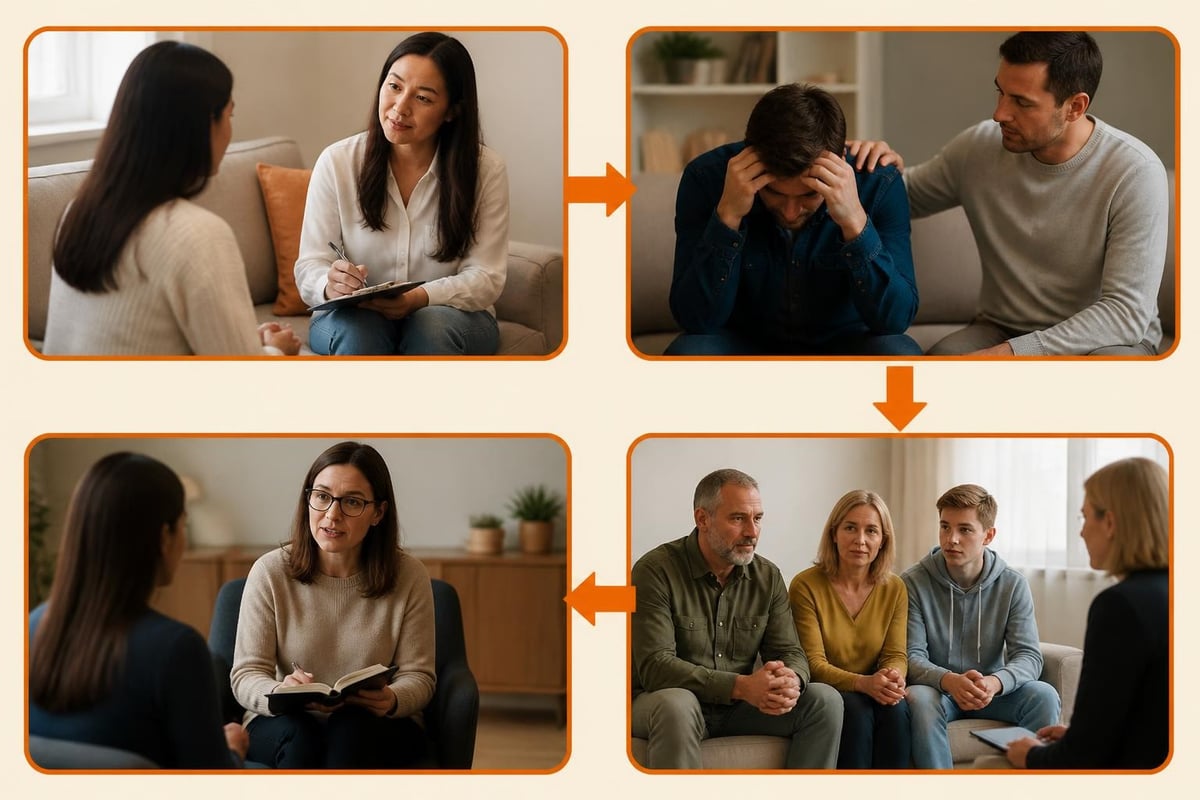
Students learn to navigate difficult conversations about addiction, grief, marital conflict, depression, and anxiety whilst pointing counselees towards Christ's transformative power. This balance between professional competency and spiritual discernment characterises quality christian counselling courses.
Choosing the Right Christian Counselling Programme
With numerous options available globally, selecting appropriate christian counselling courses requires careful consideration of several factors.
Accreditation and Recognition
Verify that prospective programmes hold proper accreditation from recognised bodies. This ensures educational quality and may affect future professional registration or licensure opportunities.
Different countries maintain varying standards for counselling credentials. Research which qualifications your intended ministry context requires or values. Some christian counselling courses lead to professional registration, whilst others focus purely on ministry application within church settings.
Denominational Alignment and Theological Position
Christian counselling encompasses diverse theological perspectives, from nouthetic counselling to integration models. Understanding a programme's theological stance helps ensure alignment with your personal convictions.
Questions to consider include:
- How does the programme view the relationship between psychology and Scripture?
- What role do spiritual disciplines play in the counselling process?
- Does the programme emphasise certain theological traditions?
- How are controversial issues like mental illness and medication addressed?
The foundational perspectives on Christian counseling course at Tyndale University explores these integration questions, helping students develop informed positions.
Delivery Format and Flexibility
Modern christian counselling courses offer various delivery methods to accommodate different lifestyles and learning preferences.
| Format | Advantages | Considerations |
|---|---|---|
| On-campus | Direct mentorship, community | Geographic constraints, less flexibility |
| Online | Accessibility, scheduling flexibility | Requires self-discipline, limited face-to-face interaction |
| Hybrid | Best of both worlds | May still require some travel |
| Intensive/Block | Concentrated learning periods | Demanding schedule during blocks |
Online programmes have expanded dramatically, with institutions like Cornerstone University offering comprehensive master's degrees entirely through distance learning. These options make christian counselling courses accessible to working professionals and those in remote areas.
Specialisations Within Christian Counselling Training
As the field matures, christian counselling courses increasingly offer specialised tracks addressing specific ministry needs.
Marriage and Family Counselling
This specialisation prepares counsellors to work with couples and families experiencing relational difficulties. Content typically includes:
- Biblical foundations for marriage and family
- Communication skills training
- Conflict resolution strategies
- Parenting guidance from a Christian perspective
- Addressing infidelity, separation, and divorce biblically
Addiction and Recovery Ministry
Christian counselling courses focused on addiction integrate the twelve-step tradition with biblical principles, equipping counsellors to address substance abuse, behavioural addictions, and co-dependency issues.
Trauma and Grief Support
Specialised training in trauma-informed care prepares counsellors to walk alongside those experiencing loss, abuse, or catastrophic events. These christian counselling courses emphasise God's presence in suffering whilst acknowledging the real psychological impact of trauma.
Youth and Adolescent Counselling
Working with younger populations requires specific skills and understanding. Specialised programmes address developmental issues, peer pressure, identity formation, and family dynamics from a Christian worldview.

Professional Development and Continuing Education
Completing initial christian counselling courses represents just the beginning of a lifelong learning journey.
Ongoing Training Requirements
Many professional counselling organisations require continuing education to maintain credentials. These requirements ensure counsellors remain current with best practices and emerging research.
Benefits of continuous learning include:
- Exposure to new counselling modalities and techniques
- Networking with fellow Christian counsellors
- Staying informed about cultural trends affecting ministry
- Personal spiritual refreshment and growth
- Accountability and professional support
Advanced Certifications and Credentials
Beyond initial qualifications, various organisations offer advanced certifications in specialised areas. These credentials demonstrate expertise and commitment to professional excellence.
The Graduate Certificate in Christian Counseling from Manna University provides post-graduate education for those seeking to deepen their expertise in specific counselling areas.
Integration of Supervision and Practical Experience
Quality christian counselling courses recognise that classroom learning alone cannot produce competent counsellors. Supervised practice forms an essential component of comprehensive training.
Practicum and Internship Requirements
Most accredited programmes require students to complete supervised counselling hours before graduation. These practical experiences typically involve:
- Direct client contact under qualified supervision
- Regular supervision meetings for case consultation
- Documentation and record-keeping practice
- Ethical decision-making in real situations
- Integration of theoretical knowledge with practice
Supervision provides safe space to make mistakes, receive feedback, and develop clinical judgement. The supervisor-student relationship often becomes one of the most formative aspects of christian counselling courses.
Building a Professional Portfolio
Throughout their training, students develop portfolios demonstrating their growth and competency. These typically include case studies, theoretical papers, supervision logs, and personal reflection essays.
Global Perspectives on Christian Counselling Education
Christian counselling courses exist worldwide, each shaped by cultural contexts and local ministry needs.
International Training Standards
Whilst core biblical principles remain consistent, christian counselling courses adapt to cultural realities. What works in Western contexts may require modification in African, Asian, or Latin American settings.
International students should consider how their training will translate to their home contexts. Some programmes offer cultural adaptability training to help graduates serve effectively across diverse populations.
Regional Accreditation Bodies
Different regions maintain various professional counselling organisations and accreditation bodies. Understanding these structures helps students choose christian counselling courses that will be recognised in their intended ministry locations.
The training programmes offered by Manna House in the United Kingdom demonstrate how Christian counselling education adapts to regional professional standards whilst maintaining biblical integrity.
Financial Considerations and Support Options
Investing in christian counselling courses requires financial planning, but various support mechanisms exist to make training accessible.
Tuition Costs and Programme Investment
Costs vary dramatically depending on programme level, institution, and delivery format. Certificate programmes may cost a few thousand pounds, whilst master's degrees can require significantly more substantial investment.
Factors affecting programme costs:
- Institutional prestige and accreditation status
- Programme length and credit hours required
- On-campus versus online delivery
- Additional fees for supervision, materials, and certification exams
Funding Sources and Scholarships
Many students finance their christian counselling courses through combinations of personal savings, church support, scholarships, and student loans.
Churches increasingly recognise the value of trained counsellors within their congregations and may provide financial support for members pursuing this calling. Additionally, many Christian institutions offer merit-based and need-based scholarships specifically for ministry training.
Ethical Foundations in Christian Counselling Training
Christian counselling courses must address the complex ethical landscape counsellors navigate.
Professional Boundaries and Dual Relationships
Ministry contexts often blur professional boundaries. Counsellors may encounter counselees in church services, social gatherings, or community events. Quality christian counselling courses teach students to maintain appropriate boundaries whilst participating fully in church life.
Issues addressed include:
- Confidentiality limits and exceptions
- Managing multiple roles within church communities
- Financial boundaries and fee structures
- Physical boundaries and appropriate touch
- Social media and digital communication ethics
Integrating Faith Without Imposing Beliefs
Even within Christian counselling, respecting client autonomy remains essential. Training emphasises presenting biblical truth with grace, recognising that genuine transformation comes from the Holy Spirit, not counsellor manipulation.
The applied counselling programmes at Providence University College emphasise this balance between theological conviction and therapeutic respect.
Career Pathways After Completing Christian Counselling Courses
Graduates of christian counselling courses pursue diverse ministry and professional opportunities.
Church-Based Ministry Roles
Many graduates serve within local church contexts as:
- Pastoral counsellors on church staff
- Volunteer counselling ministry leaders
- Small group facilitators addressing specific issues
- Mentors and discipleship leaders
- Crisis response team members
These roles typically don't require professional licensure but benefit tremendously from formal training through christian counselling courses.
Professional Practice Opportunities
Those completing advanced christian counselling courses and meeting regional licensure requirements may establish private practices, join Christian counselling centres, or work in faith-based mental health facilities.
| Practice Setting | Typical Requirements | Advantages |
|---|---|---|
| Private practice | Professional license, insurance | Autonomy, flexibility |
| Christian counselling centre | Relevant degree, some experience | Community, shared resources |
| Church counselling ministry | Varies by church | Integration with ministry |
| Faith-based hospital/clinic | Professional credentials | Stable employment, benefits |
Educational and Supervisory Roles
Experienced counsellors often transition into teaching, training future counsellors, or providing clinical supervision. These roles require advanced qualifications and substantial practical experience.
Technology and Innovation in Christian Counselling Education
Modern christian counselling courses increasingly incorporate technological advances to enhance learning and ministry effectiveness.
Online Learning Platforms
Digital education has revolutionised access to christian counselling courses. Students worldwide can now access quality training from respected institutions without relocating.
Effective online programmes include interactive elements like video conferencing for supervision, discussion forums for peer interaction, and multimedia presentations bringing concepts to life.
Teletherapy and Digital Ministry
Contemporary christian counselling courses prepare students for digital ministry contexts. Video counselling, online support groups, and digital resources expand ministry reach whilst presenting unique ethical and practical considerations.
Training now addresses questions like maintaining confidentiality in digital spaces, building therapeutic rapport through screens, and managing technology failures during sessions.
Building a Supportive Learning Community
The relational aspect of christian counselling courses often proves as valuable as the academic content.
Peer Support and Cohort Learning
Fellow students become ministry partners, prayer supporters, and lifelong colleagues. Quality programmes intentionally foster community through small groups, collaborative projects, and structured peer support.
These relationships provide safe space for processing difficult material, sharing ministry experiences, and maintaining accountability in personal spiritual growth.
Mentorship Relationships
Beyond formal supervision, informal mentorship relationships often develop during christian counselling courses. Experienced counsellors, professors, and ministry leaders provide guidance, encouragement, and wisdom that textbooks cannot convey.
Students should actively seek these relationships, recognising that character formation happens primarily through relationship rather than information transfer.
Christian counselling courses offer transformative training that equips believers to serve their communities with both professional competency and deep spiritual wisdom. The journey from initial interest to qualified counsellor requires dedication, investment, and commitment to ongoing growth. Whether you're taking first steps or seeking advanced specialisation, MyFiladelfia Skills Development Provider provides comprehensive biblical education and counselling training within a supportive community of learners and educators passionate about empowering believers for effective ministry. Begin your journey towards becoming a skilled counsellor who positively influences communities with God's truth and love.