Degree in Bible Studies: Your Complete Guide for 2026
· MyFiladelfia

A degree in bible studies represents far more than academic achievement; it embodies a transformative journey into the depths of Scripture, equipping believers with the knowledge, skills, and spiritual maturity needed to serve effectively in ministry contexts. As the demand for biblically grounded leaders continues to grow across churches, counselling centres, and mission organisations, formal biblical education has become increasingly vital for those called to shepherd, teach, and guide others. Whether you're exploring this path for personal enrichment, professional ministry, or to strengthen your counselling practice, understanding the structure, benefits, and opportunities associated with biblical studies programmes will help you make an informed decision about your educational future.
Understanding What a Degree in Bible Studies Entails
A comprehensive degree in bible studies provides systematic training in Scripture interpretation, theology, biblical languages, and practical ministry application. These programmes typically range from certificate qualifications through to postgraduate degrees, each designed to meet different educational goals and ministry objectives.
Core Components of Biblical Studies Programmes
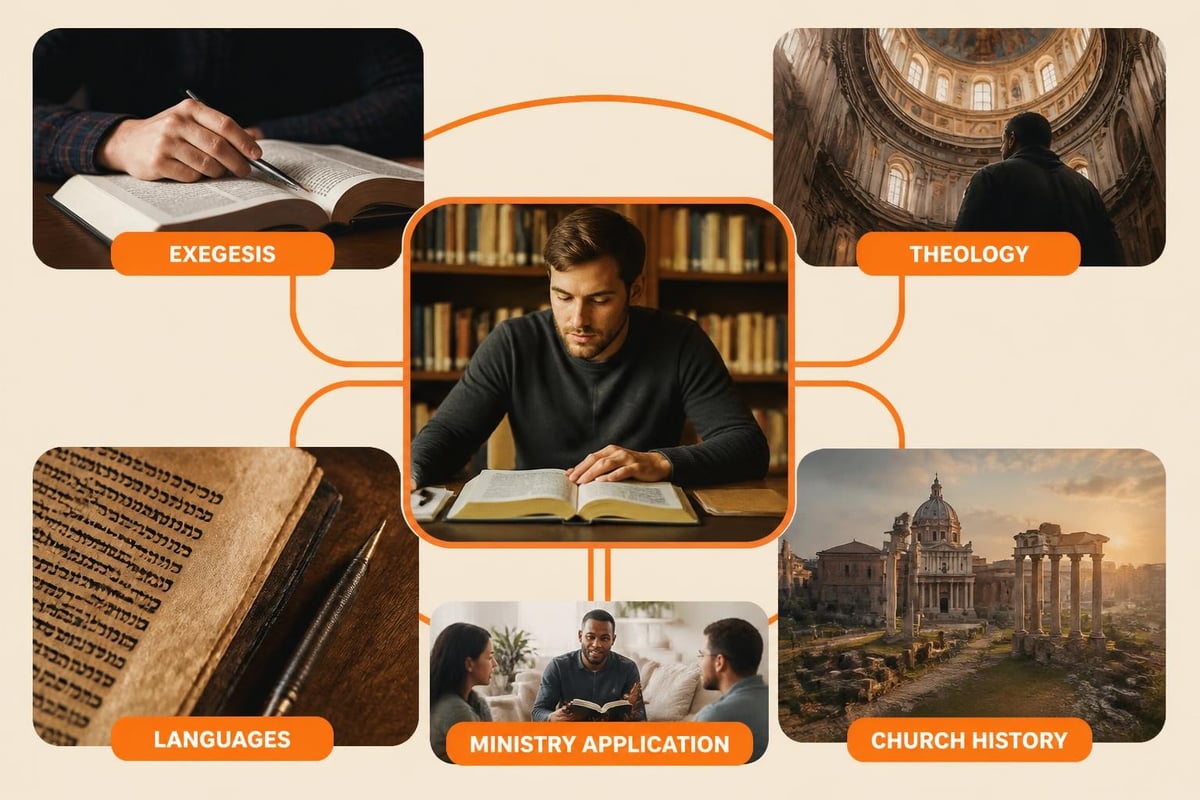
Most biblical studies qualifications include several foundational elements that create a well-rounded theological education:
- Biblical Exegesis and Hermeneutics: Learning to interpret Scripture accurately within its historical and literary context
- Old and New Testament Surveys: Comprehensive exploration of biblical books, themes, and narratives
- Systematic Theology: Understanding doctrinal frameworks and how biblical truths interconnect
- Biblical Languages: Often including Hebrew and Greek to access original texts
- Church History: Tracing Christianity's development through the centuries
- Practical Ministry Skills: Applying biblical knowledge to real-world ministry situations
The depth of coverage in these areas varies according to the qualification level. Certificate programmes might focus primarily on foundational knowledge, whilst bachelor's and master's degrees delve into critical analysis, original language study, and specialized ministry applications.
Different Levels of Biblical Qualifications
| Qualification Level | Duration | Primary Focus | Typical Outcomes |
|---|---|---|---|
| Certificate | 6-12 months | Biblical foundations | Personal growth, ministry preparation |
| Diploma | 1-2 years | Broader theological understanding | Assistant ministry roles, further study |
| Bachelor's Degree | 3-4 years | Comprehensive biblical education | Ministry leadership, teaching positions |
| Master's Degree | 1-2 years | Specialized study, research | Advanced ministry, academic roles |
This structured progression allows learners to enter at appropriate levels based on their experience, time availability, and vocational goals. Many students begin with certificate-level studies to test their interest and capacity before committing to longer degree programmes.
Career Pathways and Ministry Opportunities
Completing a degree in bible studies opens diverse vocational pathways within Christian ministry and beyond. The skills developed through rigorous biblical education translate across numerous professional contexts where ethical leadership, pastoral sensitivity, and theological insight prove invaluable.
Traditional Ministry Roles
Churches and denominational organisations consistently seek qualified individuals with solid biblical training:
- Pastoral Ministry: Serving as senior pastors, associate ministers, or specialized ministry leaders
- Teaching and Preaching: Equipping congregations through expository preaching and Bible teaching
- Youth and Children's Ministry: Guiding younger generations in biblical foundations
- Worship Leadership: Leading congregations in biblically grounded worship experiences
- Missionary Work: Serving cross-culturally with theological preparation and biblical fluency
These traditional roles remain the primary destination for many biblical studies graduates. However, the versatility of this qualification extends well beyond conventional church settings.
Counselling and Pastoral Care Ministries
Biblical studies provide essential foundations for those called to counselling and support ministries. Understanding Scripture deeply enables counsellors to integrate biblical wisdom with practical helping skills, creating holistic approaches to human struggles. Programmes like the Basic Counselling Techniques course build upon biblical foundations to develop competency in applying scriptural truth to emotional and relational challenges.
Educational and para-church organisations also value graduates with biblical expertise:
- Christian Schools: Teaching Bible classes, serving as chaplains, or leading spiritual development programmes
- Para-church Organisations: Working with campus ministries, prison chaplaincies, hospital ministries, or community outreach programmes
- Publishing and Media: Contributing to Christian publishing houses, broadcast ministries, or digital content creation
- Non-profit Leadership: Directing faith-based charities, relief organisations, or community development initiatives
The analytical, communication, and ethical reasoning skills developed through biblical studies prove transferable across these diverse contexts.
Choosing the Right Programme Format and Institution
The landscape of biblical education has expanded significantly, offering multiple delivery formats that accommodate different learning preferences and life circumstances. Making wise choices about programme structure ensures you can complete your studies whilst maintaining other commitments.
Online Versus In-Person Learning
Online biblical studies programmes have revolutionised accessibility, particularly for working professionals, parents, and those in remote locations. Moody Bible Institute's online Bachelor of Science in Biblical Studies demonstrates how accredited institutions deliver rigorous theological education through digital platforms, maintaining academic standards whilst providing flexibility.
Advantages of Online Study:
- Flexibility to study according to your schedule
- Accessibility from anywhere with internet connectivity
- Often lower costs due to reduced facility expenses
- Ability to maintain full-time employment or ministry involvement
- Self-paced options for many programmes
Benefits of In-Person Learning:
- Direct interaction with lecturers and peers
- Immediate clarification of complex concepts
- Structured learning environment promoting discipline
- Access to physical libraries and campus resources
- Community building and networking opportunities
Many institutions now offer hybrid models, combining online coursework with occasional intensive sessions or residential blocks. This approach balances flexibility with valuable face-to-face interaction.

Accreditation and Recognition Considerations
When selecting a degree in bible studies programme, accreditation status significantly impacts the qualification's value and recognition. Properly accredited programmes meet established educational standards and facilitate credit transfers should you pursue further study.
Key accreditation bodies to consider include regional educational authorities, theological accreditation commissions, and professional ministry associations. Emmaus University's Biblical Studies major exemplifies programmes that maintain rigorous academic standards whilst remaining accessible to diverse student populations.
Beyond formal accreditation, consider the institution's reputation within ministry circles, graduate outcomes, and alignment with your theological convictions. Speaking with alumni and current students provides valuable insights into programme quality and institutional culture.
Curriculum Deep Dive: What You'll Actually Study
Understanding the specific content covered in a degree in bible studies helps set realistic expectations and confirms whether the programme aligns with your goals. Whilst curricula vary between institutions, common threads run through quality biblical studies programmes.
Foundational Courses in the Early Stages
Initial studies typically establish biblical literacy and theological frameworks:
- Introduction to Biblical Interpretation: Methods for understanding Scripture responsibly
- Old Testament Survey: Overview of Genesis through Malachi, covering historical context and theological themes
- New Testament Survey: Exploration of the Gospels, Acts, Epistles, and Revelation
- Christian Theology I & II: Systematic examination of core doctrines including God, Christ, salvation, and eschatology
- Spiritual Formation: Personal discipleship and character development for ministry
These courses build the foundation upon which more specialized studies rest. They ensure all students possess common baseline knowledge regardless of their previous exposure to biblical content.
Intermediate and Advanced Specializations
As students progress, they encounter more challenging material requiring critical thinking and integration:
- Biblical Languages: Hebrew and Greek courses enabling engagement with Scripture in original languages
- Advanced Exegesis: Detailed interpretation of specific biblical books or literary genres
- Historical Theology: Tracing doctrinal development through church history
- Contemporary Theological Issues: Engaging modern challenges from biblical perspectives
- Ministry Practicum: Supervised ministry experience applying classroom learning
Mission University's online Bachelor of Science in Biblical Studies emphasizes this progression from foundational knowledge toward practical ministry application, ensuring graduates possess both intellectual understanding and ministry competency.
| Study Area | Foundational Focus | Advanced Focus |
|---|---|---|
| Scripture | Biblical literacy, basic interpretation | Original languages, detailed exegesis |
| Theology | Core doctrines, systematic frameworks | Philosophical theology, contemporary issues |
| Ministry | Spiritual formation, basic skills | Specialized ministry, supervised practice |
| Research | Basic academic writing | Thesis projects, scholarly engagement |
Practical Ministry Integration
Quality biblical studies programmes don't remain purely academic; they integrate practical ministry experience throughout the curriculum. This ensures graduates can translate theological knowledge into effective ministry practice.
Practical components might include:
- Field education placements in local churches or ministries
- Internship opportunities during academic breaks
- Service-learning projects addressing community needs
- Ministry skill development in preaching, teaching, or counselling
- Supervised practice with feedback from experienced practitioners
This practical emphasis distinguishes biblical studies from purely theoretical religious studies programmes, preparing graduates for active ministry engagement rather than only academic knowledge.
Developing Essential Ministry Competencies
Beyond content knowledge, a degree in bible studies cultivates transferable competencies that serve ministry leaders throughout their careers. These skills prove equally valuable whether you serve in traditional church contexts, counselling ministries, educational settings, or cross-cultural missions.
Critical Thinking and Analytical Skills
Biblical studies programmes train students to:
- Analyze complex texts considering historical, literary, and theological dimensions
- Evaluate competing interpretations using sound hermeneutical principles
- Synthesize information from diverse sources into coherent understanding
- Apply biblical principles to contemporary situations wisely
- Construct logical arguments supported by scriptural and theological evidence
These analytical capabilities enable ministry leaders to navigate theological controversies, respond to challenging questions, and provide biblically grounded guidance in complex situations.
Communication and Teaching Abilities
Effective ministry requires clear communication of biblical truth across diverse audiences. Grand Canyon University's Bachelor of Arts in Christian Studies with Biblical Studies emphasis develops these skills through presentations, written assignments, and teaching practicum experiences.
Key communication competencies include:
- Expository preaching that accurately interprets and applies Scripture
- Small group teaching adapted to learners' needs and contexts
- Written communication for various ministry purposes
- Cross-cultural communication sensitivity
- Digital content creation for contemporary ministry platforms
These skills enable graduates to fulfill the Great Commission mandate to teach all nations, making disciples who understand and apply God's Word.

Financial Considerations and Investment Value
Pursuing a degree in bible studies requires financial investment, making cost considerations essential for prospective students. Understanding the full financial picture, available support mechanisms, and long-term value helps make informed decisions about biblical education.
Programme Costs and Budgeting
Tuition fees vary significantly based on institution type, delivery format, and geographical location:
- Online programmes: Often range from £2,000 to £8,000 per year for accredited degrees
- Residential programmes: Typically £5,000 to £15,000 annually, excluding accommodation
- Certificate and diploma programmes: Generally £1,000 to £4,000 for complete qualifications
- Postgraduate degrees: Usually £4,000 to £12,000 per year depending on institution
Beyond tuition, budget for textbooks, technology requirements, and potential travel for intensive sessions or practicums. Corban University's Biblical Studies Certificate represents more accessible entry points for those testing their commitment before investing in longer degree programmes.
Funding Sources and Financial Aid
Several mechanisms can reduce the financial burden of biblical education:
- Denominational Scholarships: Many church denominations support members pursuing ministry training
- Institutional Bursaries: Bible colleges often provide merit-based or need-based financial assistance
- Ministry Organisation Sponsorship: Churches or mission agencies sometimes fund training for committed ministry workers
- Government Student Loans: Depending on location and accreditation status
- Part-time Study Options: Spreading costs over longer periods whilst maintaining employment
Exploring multiple funding sources simultaneously maximizes financial support and minimizes debt burden upon graduation.
Return on Investment Considerations
Whilst ministry salaries typically don't match corporate earnings, calculating return on investment for a degree in bible studies extends beyond purely financial measures:
- Spiritual Growth: Deepened faith and biblical understanding enriching all life areas
- Ministry Effectiveness: Enhanced capacity to serve others and fulfill calling
- Career Opportunities: Access to positions requiring formal theological education
- Network Development: Relationships with peers and mentors supporting lifelong ministry
- Personal Satisfaction: Fulfillment from living aligned with vocational purpose
Many graduates report their biblical education proved invaluable despite modest financial returns, viewing it as kingdom investment rather than purely economic calculation.
Balancing Study With Life Responsibilities
Successfully completing a degree in bible studies whilst managing work, family, and ministry commitments requires intentional planning and realistic expectations. Understanding common challenges and proven strategies helps prospective students assess their readiness and develop sustainable study patterns.
Time Management Strategies
Biblical studies programmes demand consistent engagement with challenging material. Effective time management becomes essential:
- Establish Regular Study Rhythms: Designate specific times for coursework, treating them as non-negotiable appointments
- Communicate Expectations: Discuss study requirements with family and employers, securing necessary support
- Utilize Small Time Blocks: Review notes during commutes, listen to lecture recordings whilst exercising
- Plan Ahead for Intensive Periods: Anticipate heavier workload seasons, adjusting other commitments accordingly
- Build in Margin: Allow buffer time for unexpected challenges preventing last-minute stress
Bethel University Indiana's Associate of Arts in Biblical Studies offers flexible scheduling accommodating working students, demonstrating how institutions increasingly recognize the need for adaptable programme structures.
Maintaining Spiritual Vitality During Academic Study
Paradoxically, intensive biblical study can sometimes challenge spiritual vitality when academic analysis overwhelms devotional engagement with Scripture. Maintaining healthy spiritual practices throughout your studies protects against this risk:
Practical approaches include:
- Distinguishing study time from personal devotional time
- Engaging with Scripture devotionally before analyzing it academically
- Participating in worship and fellowship separate from academic contexts
- Applying learning immediately through ministry involvement
- Regular spiritual direction or mentoring relationships
These practices ensure biblical education deepens rather than displaces authentic relationship with God, keeping heart and mind aligned throughout the learning journey.
Family and Community Support Systems
No one completes a degree in bible studies in isolation. Building robust support systems enhances success likelihood and enriches the educational experience:
- Spousal Partnership: Securing family buy-in and practical support for study demands
- Study Groups: Connecting with fellow students for mutual encouragement and accountability
- Church Community: Maintaining involvement in local fellowship for spiritual nourishment
- Mentor Relationships: Engaging experienced ministry leaders who provide guidance and perspective
- Professional Counselling: Accessing support during particularly challenging seasons
Jessup University's Graduate Certificate in Biblical Studies designs programmes recognizing students' multiple commitments, providing flexibility whilst maintaining academic rigour necessary for quality theological education.
Integrating Biblical Studies With Counselling Ministry
The intersection between biblical studies and counselling ministry creates particularly fruitful ground for those called to help people navigate life's challenges through Scripture-informed approaches. A degree in bible studies provides essential theological foundations that strengthen counselling effectiveness and ensure interventions remain biblically grounded.
Biblical Foundations for Helping Ministries
Understanding Scripture comprehensively enables counsellors to:
- Apply relevant biblical principles to specific struggles and situations
- Recognize and address faulty theology contributing to emotional distress
- Offer hope grounded in God's character and promises
- Guide clients toward biblical frameworks for understanding human nature
- Integrate prayer and spiritual practices appropriately into counselling contexts
This theological grounding distinguishes biblical counselling from secular approaches, providing distinctive Christian perspectives on human flourishing and transformation.
Complementary Skills Development
Effective biblical counselling requires both solid theological education and practical counselling competencies. The combination produces ministry workers who can engage people's struggles with both biblical wisdom and relational skill.
Core competency areas include:
| Biblical Studies Contribution | Counselling Skills Needed |
|---|---|
| Understanding of human nature from Scripture | Active listening and empathy |
| Knowledge of redemption and transformation | Assessment and case formulation |
| Biblical wisdom for life challenges | Intervention strategies and techniques |
| Theological framework for suffering | Trauma-informed care approaches |
| Hope grounded in God's promises | Crisis intervention skills |
Many who pursue biblical studies subsequently recognize the value of specialized counselling training to maximize their helping effectiveness. This recognition often leads to further professional development beyond initial theological education.
Continuing Professional Development
The field of biblical counselling continues evolving, requiring practitioners to engage in ongoing learning throughout their careers. This commitment to continuous improvement demonstrates professional responsibility and enhances ministry impact:
- Advanced Certifications: Pursuing specialized credentials in biblical counselling or related disciplines
- Continuing Education: Attending workshops, conferences, and short courses on emerging issues
- Supervised Practice: Engaging regular supervision to refine skills and address challenging cases
- Professional Reading: Staying current with literature in both biblical studies and counselling fields
- Peer Consultation: Participating in case consultation groups with other practitioners
This developmental approach ensures biblical counsellors remain effective throughout changing cultural contexts and evolving client needs.
Global Perspectives and Cross-Cultural Ministry
Biblical education increasingly emphasizes global perspectives, recognizing Christianity's worldwide growth and the need for culturally sensitive ministry approaches. A degree in bible studies that incorporates cross-cultural awareness prepares graduates for ministry in our interconnected world.
Understanding Biblical Interpretation Across Cultures
Scripture speaks universally whilst requiring culturally appropriate application. Biblical studies programmes increasingly help students:
- Distinguish timeless biblical principles from culturally specific applications
- Recognize how cultural backgrounds influence interpretive approaches
- Apply hermeneutical principles across diverse cultural contexts
- Appreciate insights from global Christianity enriching biblical understanding
- Navigate theological dialogue across cultural and denominational boundaries
Manna University's Bachelor of Arts in Biblical Studies exemplifies programmes preparing students for ministry in multicultural environments, equipping them with both theological depth and cultural sensitivity.
Preparation for Cross-Cultural Service
For those called to missionary service or ministry in multicultural settings, biblical studies provide essential preparation:
- Theological Foundations: Solid biblical grounding enabling effective teaching in any context
- Language Skills: Biblical language study often enhancing general language-learning abilities
- Cultural Adaptability: Engaging diverse theological perspectives developing flexibility and humility
- Missiological Understanding: Specific coursework in missions strategy and cross-cultural communication
- Global Awareness: Exposure to worldwide church strengthening appreciation for Christianity's diversity
These competencies enable graduates to serve effectively whether in their home communities or across international borders, advancing God's kingdom in culturally appropriate ways.
Making Your Decision: Next Steps Forward
Pursuing a degree in bible studies represents a significant commitment of time, energy, and resources. Approaching this decision thoughtfully, prayerfully, and practically increases the likelihood of choosing wisely and completing successfully.
Self-Assessment and Discernment
Before committing to formal biblical education, honest self-evaluation proves invaluable:
- Calling Clarity: Do you sense genuine calling to ministry requiring formal theological training?
- Academic Readiness: Can you engage rigorous study at the level required by degree programmes?
- Time Availability: Realistically, can you dedicate necessary hours without compromising essential responsibilities?
- Financial Capacity: Have you identified viable funding sources for programme costs?
- Support Systems: Do you have family, church, and community support for this undertaking?
- Ministry Context: Will this qualification enhance your current or intended ministry effectiveness?
Colorado Christian University's online Bachelor of Arts in Biblical Studies provides resources helping prospective students assess fit and readiness for theological education, supporting informed decision-making.
Programme Research and Comparison
Once you've determined readiness for biblical studies, thorough programme research ensures selecting the best fit:
- Identify Priorities: Determine which factors matter most (cost, delivery format, theological position, accreditation, duration)
- Compare Options: Research multiple institutions offering programmes meeting your criteria
- Review Curricula: Examine specific courses ensuring alignment with learning goals
- Contact Institutions: Speak with admissions counsellors, faculty, and current students
- Visit When Possible: Attend open days or sample classes gaining firsthand impressions
This research process clarifies options and builds confidence in your eventual choice, reducing likelihood of regret or programme changes midstream.
Application and Enrollment Process
Most biblical studies programmes require several application components:
- Academic Transcripts: Previous educational records demonstrating readiness for study level
- Personal Statement: Articulating calling, goals, and motivations for pursuing biblical education
- References: Recommendations from church leaders, employers, or academic supervisors
- Theological Position: Some institutions request statements regarding doctrinal beliefs
- Interview: Conversation with faculty or admissions staff assessing fit and readiness
Beginning the application process well in advance of intended start dates allows time for gathering materials and addressing any complications. Many institutions offer rolling admissions, providing flexibility in timing commencement.
A degree in bible studies equips believers with deep scriptural knowledge, practical ministry skills, and theological frameworks essential for effective kingdom service. Whether your calling leads toward pastoral ministry, biblical counselling, teaching, or another form of service, formal biblical education provides foundations supporting lifelong growth and ministry fruitfulness. At MyFiladelfia Skills Development Provider, we're committed to empowering believers through thorough biblical education and counselling training, creating a supportive community where learners develop both spiritual depth and practical ministry competencies. Begin your journey toward deeper biblical understanding and more effective ministry service today.