Free Theology Classes: Transform Your Ministry Skills
· MyFiladelfia

The pursuit of theological knowledge has never been more accessible. In 2026, believers seeking to deepen their understanding of Scripture, systematic theology, and ministry principles can access high-quality education without financial barriers. Free theology classes offer a transformative opportunity for aspiring ministry leaders, counsellors, and committed Christians to develop their biblical literacy and practical skills. Whether you're exploring a call to ministry, preparing for counselling work, or simply desiring to grow spiritually, the landscape of accessible theological education provides remarkable resources to support your journey.
Understanding the Value of Theological Education
Theological education forms the bedrock of effective ministry and spiritual leadership. When believers engage with systematic study of Scripture, doctrine, and church history, they develop critical thinking skills that enable them to navigate complex spiritual questions with wisdom and discernment.
The benefits extend far beyond academic knowledge. Structured theological study equips individuals to teach with authority, counsel with insight, and lead with confidence. It provides a framework for understanding how different biblical themes interconnect across both Testaments and how historical Christian thought informs contemporary faith practice.
Key benefits of structured theological study include:
- Enhanced biblical interpretation skills
- Deeper understanding of Christian doctrine
- Improved ability to articulate faith clearly
- Greater confidence in ministry contexts
- Stronger foundation for spiritual counselling
Many believers underestimate the practical impact of theological education until they encounter situations requiring nuanced understanding. A solid grasp of soteriology, for instance, transforms how one approaches evangelism and discipleship conversations.

Top Platforms Offering Free Theology Classes
The digital revolution has democratised access to theological education. Several reputable institutions now provide comprehensive programmes without tuition fees, making it possible for anyone with internet access to receive training comparable to traditional seminary education.
Christian Leaders Institute stands out as a particularly robust platform, offering over 200 free courses spanning Bible study, theology, divinity, and ministry. Their self-paced learning model accommodates diverse schedules whilst maintaining academic rigour through assessments and credential programmes.
For those seeking video-based instruction, The Historic Faith delivers more than 70 free online Bible and theology courses complete with video lessons, quizzes, and discussion questions. Their certificate programmes provide tangible recognition of completed studies, which can be valuable for ministry applications or volunteer positions.
Reformed and Evangelical Perspectives
Different theological traditions offer unique approaches to biblical interpretation and doctrinal emphasis. IIIM Reformed Seminary provides extensive free resources in video, audio, and text formats, focusing on Reformed theological perspectives whilst maintaining accessibility for students at various levels of preparation.
For those interested in free evangelical tradition, Evangelical Seminary offers a course specifically introducing systematic theology from this perspective, covering theological method, the doctrine of God, creation, humanity, and redemption in Christ.
| Platform | Course Quantity | Format | Certification |
|---|---|---|---|
| Christian Leaders Institute | 200+ courses | Self-paced modules | Certificates & diplomas |
| The Historic Faith | 70+ courses | Video with quizzes | Course certificates |
| IIIM Reformed Seminary | Multiple courses | Video, audio, text | Varies by programme |
| Evangelical Seminary | Focused offerings | Structured units | Course completion |
Essential Topics Covered in Free Theology Classes
Comprehensive theological education addresses multiple interconnected disciplines, each contributing to a holistic understanding of Christian faith and practice. Free theology classes typically organise content around core theological categories that mirror traditional seminary curricula.
Biblical Studies and Exegesis
Biblical studies courses explore individual books of Scripture, teaching methods for proper interpretation and application. Students learn to identify literary genres, historical contexts, and theological themes that shape meaning. Exegetical skills developed through these courses enable believers to move beyond surface-level reading towards deeper engagement with biblical texts.
Systematic Theology
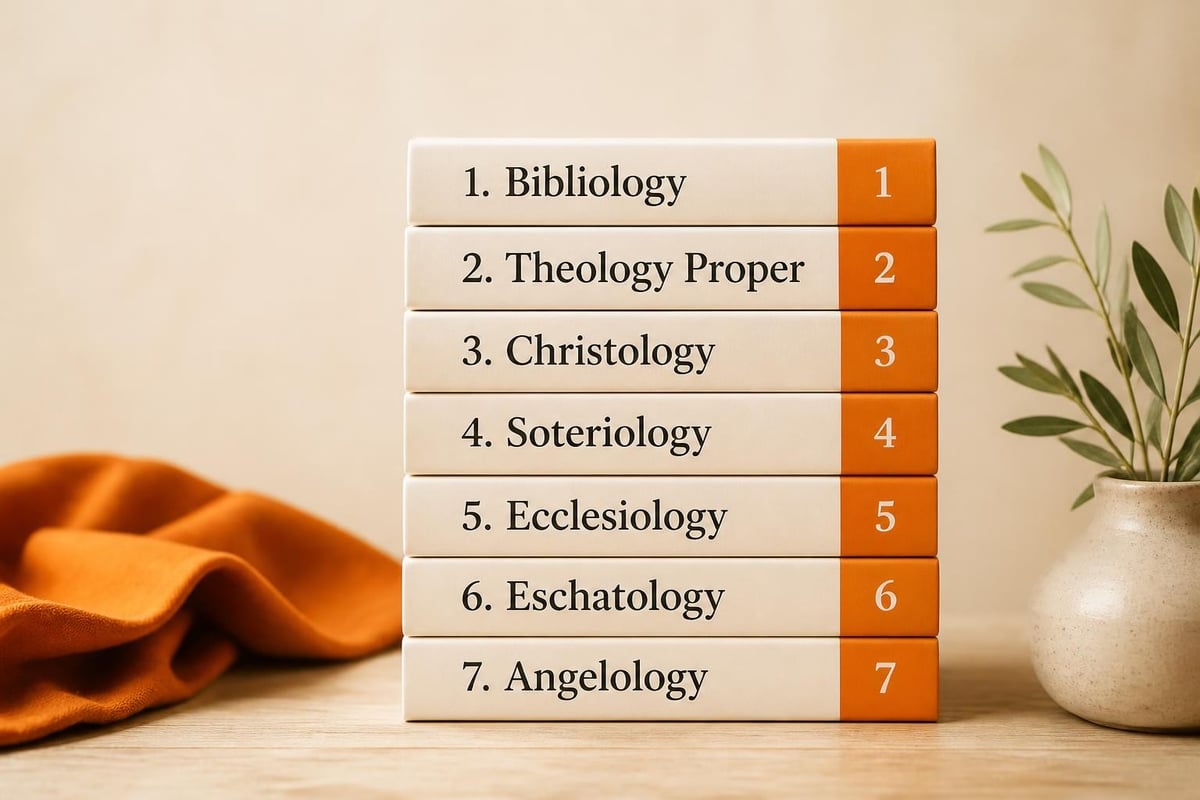
Systematic theology organises biblical teaching into coherent categories such as theology proper (the study of God's nature), Christology, pneumatology, soteriology, and eschatology. These foundational courses examine essential doctrines including Scripture, the nature of God, creation, humanity, sin, Christ, and angels, providing a comprehensive framework for understanding Christian belief.
Core systematic theology topics typically include:
- Bibliology (doctrine of Scripture)
- Theology proper (nature and attributes of God)
- Christology (person and work of Christ)
- Pneumatology (doctrine of the Holy Spirit)
- Soteriology (doctrine of salvation)
- Ecclesiology (doctrine of the Church)
- Eschatology (doctrine of last things)
Historical Theology
Understanding how Christian doctrine developed over two millennia provides crucial context for contemporary faith expression. Historical theology courses trace the evolution of theological thought through church councils, reformation movements, and influential theologians who shaped orthodox Christian belief.
Specialised Theological Training Areas
Beyond foundational theological studies, free theology classes often provide specialised training in specific ministry contexts and practical applications. These focused courses enable students to develop expertise in particular areas of ministry interest.
Biblical Counselling Foundations
The intersection of theology and counselling represents a critical area for ministry leaders. Those exploring biblical counselling principles will find numerous resources addressing how Scripture informs mental health support, crisis intervention, and spiritual guidance. For individuals committed to this path, structured programmes like the Foundation in Biblical Counselling provide systematic training in biblical counselling principles and basic techniques, creating pathways for those starting their counselling journey.
Comparative Religion and Apologetics
Understanding different world religions and developing skills to defend Christian faith claims equips believers for evangelistic conversations and interfaith dialogue. Courses introducing theology and religious studies provide overviews of major world religions and their impact on society, helping students appreciate both commonalities and distinctive Christian claims.
| Specialisation | Primary Focus | Practical Application |
|---|---|---|
| Biblical Counselling | Scripture-based guidance | Pastoral care, crisis support |
| Apologetics | Defending Christian truth | Evangelism, intellectual engagement |
| Missions | Cross-cultural ministry | Global outreach, church planting |
| Pastoral Theology | Church leadership | Preaching, administration, discipleship |
Biblical Theology and Redemptive History
Biblical theology traces theological themes across the entire scriptural narrative, revealing how God's redemptive plan unfolds from Genesis to Revelation. This approach differs from systematic theology by maintaining the progressive nature of biblical revelation rather than organising doctrines topically.
Courses focused on biblical theology teach students to identify central storyline themes, trace them through redemptive history, and understand how God's kingdom promises find fulfilment in Christ. This methodology strengthens biblical interpretation by preventing proof-texting and encouraging holistic Scripture reading.
Covenant Theology
Understanding biblical covenants provides essential structure for interpreting Scripture's overarching narrative. The Abrahamic, Mosaic, Davidic, and New Covenants each reveal aspects of God's character and purposes, creating a framework that connects Old Testament promises with New Testament fulfilment.
Typology and Prophecy
Biblical types and prophetic literature point forward to Christ and His redemptive work. Learning to identify these patterns enriches devotional reading and strengthens apologetic arguments for Jesus as the promised Messiah. Free theology classes often dedicate significant attention to these interpretative approaches, equipping students to see the unity of Scripture's testimony about Christ.
Maximising Your Free Theological Education
Success in self-directed theological study requires intentional strategies and disciplined habits. Unlike traditional classroom settings, free theology classes demand personal accountability and active engagement to derive maximum benefit.
Creating a Structured Study Plan
Effective study habits include:
- Setting specific weekly study hours
- Creating a dedicated learning environment
- Taking detailed notes for retention
- Engaging with discussion forums
- Completing all assessments honestly
Establish realistic goals based on available time and existing commitments. Attempting to complete multiple courses simultaneously often results in superficial engagement rather than deep learning. Focus on thorough comprehension of one subject before moving to the next.
Engaging with Learning Communities
Theological education flourishes in community contexts where learners discuss concepts, challenge assumptions, and refine understanding through dialogue. Many platforms offering free theology classes include discussion boards, study groups, or partner matching to facilitate peer learning.
Active participation in these communities transforms isolated study into collaborative exploration. Articulating theological concepts to others deepens personal understanding whilst exposing blind spots in one's thinking.

Credential Recognition and Practical Application
Whilst free theology classes provide exceptional educational content, questions about credential recognition and practical application naturally arise. Understanding how to translate theological knowledge into ministry opportunities requires strategic thinking about documentation and skill demonstration.
Certificates and Academic Recognition
Many platforms offering free theology classes provide certificates upon course completion. Whilst these certificates may not carry the same weight as accredited seminary degrees, they demonstrate commitment to theological education and can enhance ministry applications, especially for volunteer positions or lay leadership roles.
Some institutions offering free initial courses create pathways to accredited programmes. Students who complete foundational courses and demonstrate aptitude may qualify for advanced studies with formal academic recognition. Research these progression routes if future credential requirements seem likely.
Translating Learning into Ministry Practice
Theological knowledge achieves its purpose when applied in ministry contexts. Volunteer in church programmes that align with your studies-teaching children's classes, leading small groups, or supporting pastoral care initiatives. These practical experiences consolidate theoretical learning whilst developing ministry competencies.
Practical application opportunities include:
- Teaching Sunday school or Bible studies
- Developing discipleship resources
- Supporting missionary work
- Providing pastoral visitation
- Creating theological content for blogs or social media
Overcoming Common Challenges in Self-Directed Learning
Self-directed theological education presents unique challenges requiring proactive solutions. Recognising these obstacles in advance enables students to develop strategies for sustained engagement and successful completion.
Maintaining Motivation Without External Accountability
Traditional classroom settings provide built-in accountability through scheduled classes, peer interactions, and instructor oversight. Free theology classes require internal motivation and self-imposed deadlines. Creating artificial accountability structures-study partners, progress tracking, or public commitments-helps maintain momentum during difficult portions of study.
Balancing Depth and Breadth
The abundance of available courses can paradoxically hinder progress. Students sometimes pursue breadth by sampling numerous courses without completing any, or conversely, focus so narrowly they miss important contextual knowledge. Strike balance by completing foundational courses before exploring specialised topics, ensuring comprehensive understanding of core theological concepts.
| Challenge | Solution Strategy |
|---|---|
| Lack of accountability | Find study partners or mentors |
| Information overload | Follow structured learning paths |
| Time management | Schedule specific study blocks |
| Isolation | Join online learning communities |
| Doubt about value | Set clear ministry application goals |
Theological Education for Diverse Learning Styles
Free theology classes accommodate various learning preferences through multimedia content delivery. Understanding your preferred learning style enables selection of courses that maximise comprehension and retention.
Visual Learners
Video-based courses with graphics, diagrams, and visual aids suit those who process information through observation. Platform reviews often indicate whether courses include substantial visual components, helping visual learners identify optimal resources.
Auditory Learners
Podcast-style lectures and audio resources benefit those who learn effectively through listening. Many theological courses offer audio downloads, enabling study during commutes or while performing routine tasks.
Reading/Writing Learners
Text-based courses with reading assignments and written assessments align with those who process information through written words. These learners often benefit from extensive note-taking and essay-style reflection exercises.
Kinesthetic Learners
Practical application projects and ministry practicum opportunities serve those who learn through doing. Kinesthetic learners should prioritise courses offering hands-on ministry components alongside theoretical instruction.
Free theology classes represent a remarkable opportunity for believers committed to spiritual growth and ministry development in 2026. These accessible educational resources enable comprehensive theological training without financial barriers, equipping students with biblical knowledge, doctrinal understanding, and practical ministry skills. Whether you're beginning your theological journey or deepening existing knowledge, the abundance of quality free resources ensures every motivated learner can access transformative education. At MyFiladelfia Skills Development Provider, we're dedicated to empowering believers through thorough biblical education and counselling training, nurturing skilled ministry leaders who positively influence their communities with God's truth and love. Join our supportive community of learners and educators passionate about people, and discover how structured theological training can transform your ministry calling.