Study Theology Online Free: Complete 2026 Guide
· MyFiladelfia

The digital age has revolutionised access to theological education, making it possible for believers worldwide to deepen their understanding of Scripture without financial barriers. Whether you're preparing for ministry, seeking personal spiritual growth, or exploring your calling to serve others, the opportunity to study theology online free has never been more accessible. This comprehensive guide explores the landscape of free theological education in 2026, helping you navigate platforms, courses, and resources that can transform your biblical knowledge and ministry skills.
Understanding Free Online Theological Education
The movement towards accessible theological training has gained remarkable momentum over recent years. Educational institutions, seminaries, and ministry organisations now recognise that financial constraints should never hinder someone's pursuit of biblical knowledge.
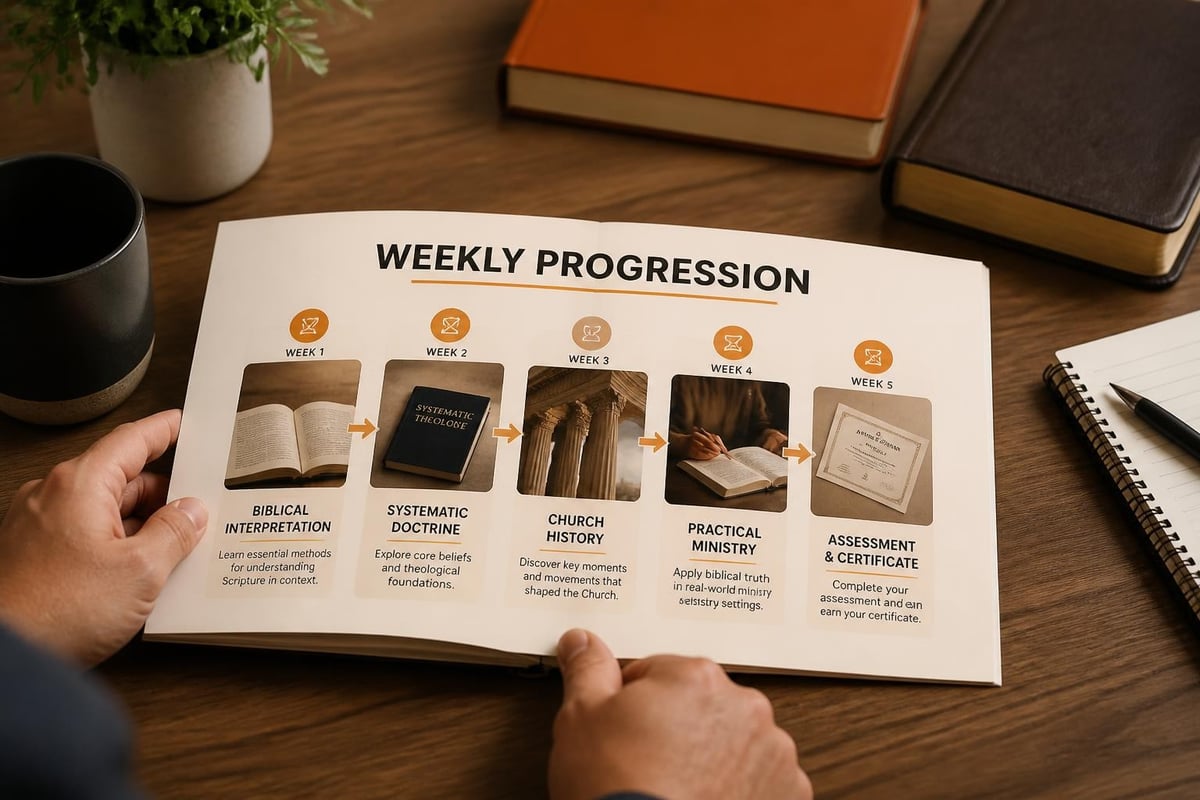
When you study theology online free, you're accessing the same quality of instruction that once required substantial tuition fees and physical presence on campus. Free theological education encompasses systematic doctrine, biblical studies, church history, practical ministry skills, and counselling foundations.
Types of Free Theology Courses Available
The breadth of options available today is genuinely impressive:
- Certificate programmes offering structured curricula with formal recognition
- Individual courses focusing on specific theological topics or biblical books
- Video lecture series from accredited seminaries and Bible colleges
- Self-paced modules allowing flexibility around work and family commitments
- Interactive platforms with quizzes, assignments, and community discussion
Many institutions provide courses ranging from introductory biblical surveys to advanced systematic theology. The Historic Faith provides over 70 free online Bible courses, including comprehensive video lessons, assessment quizzes, and completion certificates.

Accreditation and Recognition Considerations
Whilst free courses offer tremendous value, understanding accreditation helps set realistic expectations. Not all free programmes carry formal academic accreditation, but many provide certificates of completion that demonstrate your commitment to theological education.
Formal accreditation typically requires institutions to meet specific standards regarding faculty qualifications, curriculum rigour, and assessment methods. Free courses may offer:
| Credential Type | Recognition Level | Best For |
|---|---|---|
| Certificate of Completion | Personal portfolio | Self-directed learners |
| Institutional Certificate | Ministry context | Volunteer ministry roles |
| Accredited Credits | Academic transfer | Degree-seeking students |
| Professional Development | Workplace recognition | Counsellors and educators |
The Christian Leaders Institute provides a free Theology I course examining essential doctrines including Scripture, the nature of God, creation, humanity, sin, Christ, and angels, offering both knowledge and practical application.
Leading Platforms to Study Theology Online Free
Selecting the right platform significantly influences your learning experience and outcomes. Each platform brings unique strengths, teaching methodologies, and theological perspectives.
Seminary-Based Free Programmes
Traditional seminaries increasingly offer free access to selected courses or entire programmes. These institutions bring decades of theological scholarship and proven curricula to online learners.
IIIM Reformed Seminary stands out by offering comprehensive seminary courses in multiple formats. Their free seminary courses, lessons, and lectures are available in video, audio, and text formats, covering systematic theology, biblical theology, and practical ministry topics.
Seminary programmes typically include:
- Recorded lectures from experienced faculty members
- Downloadable reading materials and study guides
- Discussion forums for peer interaction
- Assessment tools to measure learning progress
- Certificates recognising course completion
These programmes often mirror paid seminary courses, providing rigorous academic content without the associated costs. Students gain exposure to theological frameworks, exegetical methods, and historical perspectives that form the backbone of ministry training.
General Learning Platform Options
Beyond dedicated theological institutions, general educational platforms host theology courses. Alison offers free online theology courses that systematically study religious beliefs and the nature of the divine, suitable for beginners through advanced learners.
These platforms frequently incorporate multimedia elements, interactive assessments, and modern instructional design principles. Their courses cater to various learning styles through video content, reading materials, infographics, and practical exercises.
Essential Theological Subjects to Study
A well-rounded theological education covers multiple disciplines, each contributing to comprehensive biblical understanding and ministry effectiveness.
Biblical Studies and Exegesis
Understanding Scripture in its original context forms the foundation of all theological study. Biblical studies courses examine individual books, literary genres, historical backgrounds, and interpretative principles.
Core biblical studies components include:
- Old Testament survey and detailed book studies
- New Testament backgrounds and textual analysis
- Hebrew and Greek language fundamentals
- Hermeneutical principles for accurate interpretation
- Narrative, poetry, prophecy, and epistle genres
The Theology of Work Bible Commentary provides an in-depth study tool offering insights into how biblical texts relate to everyday work and vocational calling, demonstrating Scripture's practical relevance.
Systematic Theology and Doctrine
Systematic theology organises biblical teaching into coherent frameworks addressing major doctrinal categories. When you study theology online free, systematic courses help you understand how different scriptural themes interconnect.
| Doctrinal Area | Key Questions Addressed | Practical Ministry Impact |
|---|---|---|
| Theology Proper | Who is God? What is His nature? | Foundations for worship and prayer |
| Christology | Who is Jesus Christ? | Gospel proclamation clarity |
| Pneumatology | Who is the Holy Spirit? | Understanding spiritual gifts |
| Soteriology | How does salvation work? | Evangelism and discipleship |
| Ecclesiology | What is the church? | Ministry structure and practice |
These doctrinal foundations prove essential whether you're preparing for pastoral ministry, counselling roles, or teaching positions within the church.
Historical and Practical Theology
Church history illuminates how theological understanding developed across centuries, whilst practical theology applies doctrinal knowledge to ministry contexts. Both disciplines strengthen your ability to serve effectively within contemporary church settings.
Historical theology traces the development of Christian thought through early church councils, Reformation debates, and modern theological movements. Understanding this progression helps believers discern truth, recognise error, and appreciate diverse Christian traditions.
Practical theology addresses real-world ministry challenges including pastoral care, preaching, worship leadership, and ethical decision-making. For those interested in developing comprehensive ministry skills, programmes like Level 1: Foundation in Biblical Counselling build strong foundations in biblical counselling principles and basic techniques, complementing free theological studies with structured, applied training.
Maximising Your Free Theological Education
Successfully completing free theological courses requires intentionality, discipline, and strategic planning. The absence of tuition fees doesn't diminish the value of education, but it does place greater responsibility on learners for self-motivation.
Creating an Effective Study Schedule
Consistency trumps intensity in online theological education. Establishing regular study rhythms helps you progress steadily through course materials whilst balancing other life responsibilities.
Recommended scheduling approach:
- Assess available weekly study time realistically
- Block specific hours for theological study
- Treat scheduled study time as non-negotiable appointments
- Break longer courses into manageable weekly segments
- Build in review periods before assessments
Many successful students dedicate 30 minutes daily rather than attempting marathon weekend sessions. This approach aids retention and allows time for reflection on theological concepts before moving forward.
Building a Learning Community
Theological education flourishes within community contexts. Even when you study theology online free, connecting with fellow learners enriches your understanding through diverse perspectives and mutual encouragement.
Consider these community-building strategies:
- Join online discussion forums associated with your courses
- Establish local study groups with others pursuing theological education
- Participate in church Bible studies to apply learned concepts
- Connect with course instructors through provided channels
- Share insights on social media platforms dedicated to theological discussion
Cursa provides a free online course titled 'Introduction to Biblical Theology' which explores the Bible as one unfolding story, connecting Old Testament and New Testament themes through community-oriented learning.

Supplementing Courses with Free Study Resources
Beyond structured courses, numerous free resources enhance your theological education. These tools provide reference materials, original language study aids, and supplementary reading that deepen understanding.
Bible Study Tools and Reference Materials
Danny Carlton Ministry Sites offer over 20 free Bible study tools, including online Bibles, concordances, commentaries, and study resources, all advertisement-free and designed specifically to serve believers.
Essential free study tools include:
- Multiple Bible translations for comparative reading
- Greek and Hebrew concordances for word studies
- Theological dictionaries defining key concepts
- Bible atlases providing geographical context
- Historical timelines situating biblical events
These resources complement formal course materials, allowing you to investigate specific questions, verify interpretations, and explore topics beyond course syllabi.
Theological Journals and Academic Articles
Many theological journals now offer free online access to selected articles or maintain open-access publishing models. These peer-reviewed resources provide scholarly perspectives on contemporary theological discussions and historical debates.
Reading academic theology strengthens critical thinking skills and exposes you to rigorous theological argumentation. Start with journal articles related to course topics, gradually expanding into areas of personal interest or ministry relevance.
Applying Theological Knowledge in Ministry Contexts
Theological education gains ultimate value through practical application within Christian service. The goal isn't merely intellectual mastery but transformed lives and effective ministry.
Translating Theory into Practice
Bridging the gap between theological knowledge and ministry practice requires intentionality. Consider how each theological concept relates to real situations you encounter in church life, community engagement, or personal relationships.
Application strategies include:
- Teach what you learn to others in informal settings
- Apply biblical principles to current ethical dilemmas
- Use theological frameworks to guide pastoral care conversations
- Incorporate doctrinal understanding into personal devotions
- Develop ministry initiatives based on biblical theology
When you study theology online free, application exercises within courses help solidify learning. Seek additional opportunities to practice newly acquired skills in supervised ministry environments.
Developing Specialised Ministry Skills
General theological knowledge provides essential foundations, but many ministry roles benefit from specialised training. Counselling, teaching, leadership, and cross-cultural ministry each require focused skill development beyond foundational theology.
Identifying your ministry calling helps determine which specialised areas deserve concentrated study. Whether you're drawn towards pastoral counselling, biblical teaching, or community outreach, targeted learning accelerates your effectiveness in those roles.
Continuing Your Theological Journey
Free online theological education opens doors rather than representing complete preparation. Most ministry leaders pursue ongoing theological development throughout their service careers.
Advanced Study Pathways
After completing foundational free courses, several pathways facilitate continued theological growth:
- Specialised certificate programmes focusing on specific ministry areas
- Degree-granting institutions offering credit for prior learning
- Mentorship relationships with experienced ministry practitioners
- Ministry internships providing supervised practical experience
- Professional associations offering continuing education opportunities
The transition from free foundational studies to more advanced training represents natural progression rather than abandonment of accessible education principles.
Maintaining Learning Momentum
Theological education works best as lifelong pursuit rather than time-limited achievement. Even after formal course completion, intentional learning rhythms sustain spiritual growth and ministry effectiveness.
| Learning Practice | Frequency | Primary Benefit |
|---|---|---|
| Scripture reading | Daily | Biblical foundation |
| Theological reading | Weekly | Conceptual depth |
| Ministry reflection | Monthly | Practical integration |
| Continuing education | Quarterly | Skill advancement |
| Mentoring conversations | Ongoing | Wisdom and perspective |
These rhythms ensure your theological understanding continues developing alongside ministry experience, creating synergy between knowledge and practice.
Overcoming Common Challenges in Online Theological Study
Distance learning presents unique obstacles that residential programmes naturally avoid. Recognising these challenges beforehand enables proactive solutions.
Motivation and Accountability
Without tuition investment or classroom attendance requirements, maintaining motivation can prove difficult. Self-directed learners benefit from establishing external accountability structures.
Create accountability through study partners, regular progress reports to mentors, or public commitments to course completion. Celebrating milestone achievements reinforces motivation during longer programmes.
Time Management and Competing Priorities
Ministry leaders and working professionals often struggle balancing theological study with existing responsibilities. Realistic planning prevents overwhelming commitments that lead to course abandonment.
Time management principles:
- Start with one course rather than multiple simultaneous programmes
- Communicate study commitments with family members
- Identify time-wasting activities that could become study periods
- Use commuting time for audio lectures
- Protect study time from non-urgent interruptions
Remember that studying theology online free remains valuable even if progress occurs more slowly than initially anticipated. Completion matters more than speed.
Doctrinal Discernment
Free courses come from diverse theological perspectives. Developing discernment helps you evaluate teaching against Scripture whilst appreciating legitimate differences within orthodox Christianity.
Consult with trusted spiritual leaders when encountering unfamiliar theological positions. Compare course content against biblical text, historical creeds, and recognised theological authorities within your tradition.
Leveraging Technology for Enhanced Learning
Modern educational technology transforms how students engage with theological content. Strategic technology use amplifies learning effectiveness without requiring expensive tools.
Digital Note-Taking and Organisation
Digital note-taking applications enable sophisticated organisation of course materials, personal insights, and reference resources. These tools facilitate quick retrieval of information and connection of related concepts across different courses.
Features supporting theological study include tagging systems for categorising notes by topic, search functions for locating specific information, and linking capabilities connecting related concepts. Many applications synchronise across devices, ensuring study materials remain accessible everywhere.
Mobile Learning Opportunities
Smartphones and tablets convert previously wasted time into productive study periods. Download course videos for offline viewing, use Bible apps for text study during breaks, or review flashcards whilst queuing.
Mobile learning particularly suits busy ministry leaders who lack large blocks of uninterrupted study time. Even 15-minute increments contribute meaningful progress when accumulated consistently.
The opportunity to study theology online free represents unprecedented access to biblical education that can transform your spiritual life and ministry effectiveness. With strategic platform selection, disciplined study habits, and intentional application, free theological courses provide solid foundations for lifelong Christian service. At MyFiladelfia Skills Development Provider, we're dedicated to empowering believers through thorough biblical education and counselling training, helping you develop practical ministry skills within a supportive community of passionate learners and educators committed to positively influencing their communities with God's truth and love.