Theology Classes Online: Your Complete Guide for 2026
· MyFiladelfia

The digital transformation of theological education has opened unprecedented opportunities for believers seeking to deepen their biblical knowledge and ministry skills. Whether you're a church leader looking to strengthen your theological foundation, a counsellor wanting to integrate biblical principles into your practice, or simply a committed Christian eager to grow in faith, theology classes online offer flexible, accessible pathways to comprehensive biblical education. The landscape of online ministry training has matured significantly, providing rigorous academic programmes that rival traditional seminary experiences whilst accommodating the demands of work, family, and ministry commitments.
Understanding the Landscape of Digital Theological Education
The growth of online theological education represents more than just a technological shift. It reflects a fundamental reimagining of how believers can access quality biblical training without geographical or financial barriers that once limited ministry preparation.
The Evolution of Online Ministry Training
Traditional seminary education required students to relocate, leave careers, and commit to full-time residential programmes. Today's theology classes online have shattered these constraints whilst maintaining academic rigour. Institutions have developed sophisticated learning management systems, interactive video platforms, and collaborative digital tools that create engaging learning communities.
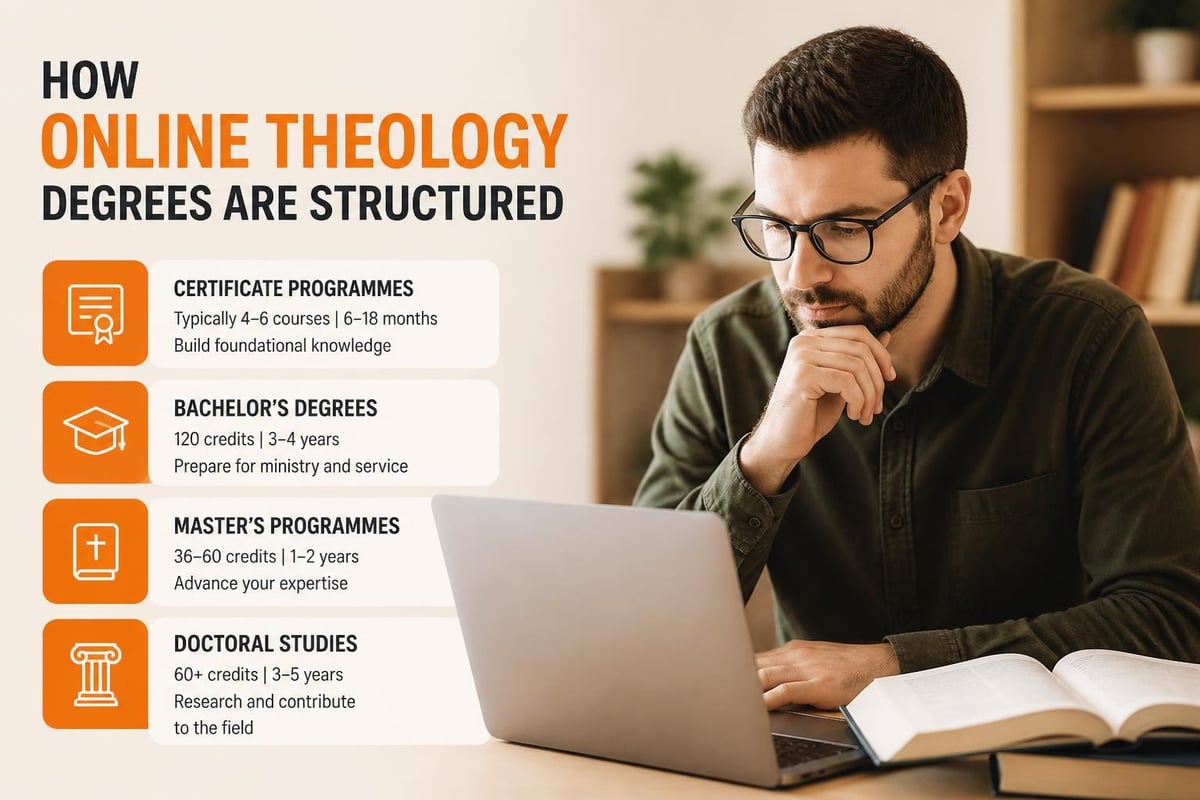
The quality of online theological education has improved dramatically since the early 2000s. Accredited institutions now offer everything from certificate programmes to doctoral degrees entirely online. Saint Joseph's College of Maine offers a variety of online theology programs, including certificates and master's degrees designed to deepen understanding of faith and equip individuals for effective ministry.
Key Components of Quality Online Theology Programmes
Not all online programmes are created equal. Distinguishing quality offerings requires examining several critical factors:
Accreditation and Academic Standards
- Regional or national accreditation from recognised bodies
- Faculty credentials including terminal degrees and ministry experience
- Alignment with denominational or theological traditions
- Integration of academic scholarship with practical ministry application
Curriculum Depth and Breadth
- Systematic theology covering major doctrines
- Biblical languages (Greek and Hebrew) where applicable
- Church history and historical theology
- Practical ministry skills and pastoral care
- Ethics and moral theology
The best theology classes online balance theoretical knowledge with practical application. Programmes should equip students not merely with information but with the capacity to think theologically about contemporary issues, engage Scripture accurately, and apply biblical truth in ministry contexts.
Programme Formats and Learning Methodologies
The diversity of online theological education means learners can find formats matching their learning preferences, schedules, and educational goals.
Synchronous Versus Asynchronous Learning
| Learning Format | Structure | Benefits | Considerations |
|---|---|---|---|
| Synchronous | Live sessions at scheduled times | Real-time interaction, immediate feedback, community building | Requires schedule flexibility, time zone challenges |
| Asynchronous | Self-paced with deadlines | Maximum flexibility, review materials multiple times | Requires self-discipline, delayed instructor feedback |
| Hybrid | Combination of both | Balanced approach, structured flexibility | More complex scheduling, varied technology requirements |
Asynchronous formats dominate theology classes online because they accommodate students balancing ministry, employment, and family responsibilities. Well-designed asynchronous courses incorporate discussion forums, recorded lectures, and interactive assignments that foster community despite the lack of simultaneous presence.
Franciscan University of Steubenville provides an online Bachelor of Arts in Theology, focusing on Catholic doctrine, Scripture, and moral theology, demonstrating how traditional institutions have adapted their rigorous academic standards to digital delivery.
Interactive Learning Technologies
Modern online theological education employs sophisticated tools that create engaging learning experiences:
- Video conferencing platforms enable virtual classroom discussions, guest lectures from international scholars, and small group interactions
- Discussion boards facilitate theological dialogue, peer learning, and collaborative exegesis
- Digital libraries provide access to thousands of theological journals, commentaries, and primary sources
- Multimedia presentations combine text, audio, and visual elements for diverse learning styles
- Assessment tools including online exams, essay submissions, and practical ministry projects
Selecting the Right Programme for Your Ministry Goals
Choosing theology classes online requires careful discernment aligned with your calling, current responsibilities, and long-term ministry vision.
Matching Programmes to Ministry Contexts
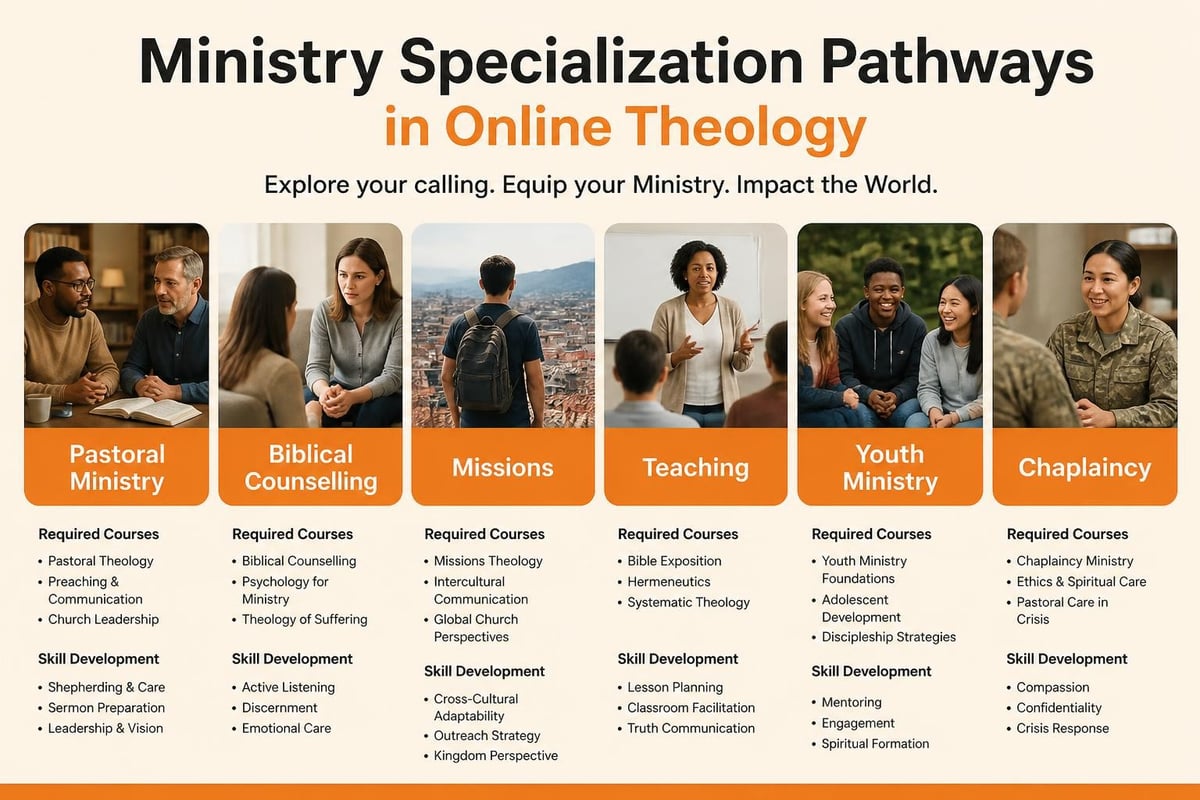
Different ministry contexts require different theological emphases. Pastoral ministry demands broad biblical knowledge and practical shepherding skills. Counselling ministry requires integration of psychological principles with scriptural truth. Teaching ministries need strong exegetical foundations and communication skills.
For Counselling-Focused Ministry
Those developing biblical counselling skills benefit from programmes integrating theological foundations with counselling techniques. For instance, students pursuing advanced counselling capabilities might explore specialized training such as Level 1: Foundation in Biblical Counselling, which builds strong foundations in biblical counselling principles and basic techniques perfect for beginners starting their counselling journey.
Evaluating Programme Credibility and Outcomes
Before enrolling in theology classes online, investigate several quality indicators:
- Faculty qualifications: Review instructor credentials, publications, and ministry experience
- Student testimonials: Seek feedback from current students and graduates
- Denominational alignment: Ensure theological perspectives match your convictions
- Career outcomes: Examine where graduates serve and how programmes prepared them
- Student support services: Assess availability of academic advising, technical support, and library resources
Corban University offers a 100% online Theological Studies Certificate designed for believers seeking a strong, structured foundation in Christian theology to understand and articulate their faith, exemplifying focused certificate options for specific learning goals.
Financial Considerations and Accessibility
Affordability remains a significant factor when considering theological education. Theology classes online often provide cost advantages over residential programmes.
Cost Comparison and Financial Planning
| Expense Category | Traditional Seminary | Online Programmes | Potential Savings |
|---|---|---|---|
| Tuition | £15,000-£35,000/year | £8,000-£20,000/year | 30-50% |
| Accommodation | £8,000-£15,000/year | £0 | 100% |
| Transportation | £2,000-£5,000/year | £0 | 100% |
| Materials | £1,000-£2,000/year | £500-£1,000/year | 50% |
| Opportunity Cost | Lost income from full-time study | Continue working | Varies significantly |
Beyond direct cost savings, online theological education allows students to maintain employment, continue ministry involvement, and avoid relocating families. These factors represent substantial financial and personal benefits.
Scholarship and Financial Aid Opportunities
Many institutions offering theology classes online provide financial assistance:
- Merit-based scholarships for academic achievement
- Ministry-based grants for those currently serving
- Denominational support from church networks
- Employer tuition assistance programmes
- Military and veteran benefits
- Income-based sliding scale tuition
Moody Bible Institute's online Bachelor of Science in Theological Studies teaches students to think theologically, integrating systematic and historical theology with ministry strategies, whilst offering various financial aid options to make theological education accessible.
Building a Supportive Learning Community
One common concern about theology classes online involves the perceived isolation of digital learning. However, well-designed programmes cultivate vibrant learning communities that often exceed residential programme engagement.
Creating Meaningful Connections in Digital Spaces
Successful online learners actively participate in building community through:
- Regular discussion forum engagement: Thoughtfully responding to classmates' theological reflections
- Virtual study groups: Organizing peer groups for collaborative learning
- Social media connections: Continuing conversations beyond formal coursework
- In-person meetups: Arranging regional gatherings when possible
- Ministry partnerships: Collaborating on practical projects and service opportunities
These connections often prove more diverse and enriching than traditional programmes because students represent varied geographical locations, denominational backgrounds, and ministry contexts. Learning alongside a pastor from Kenya, a counsellor from Australia, and a missionary from Brazil broadens theological perspectives and builds global kingdom awareness.

Practical Ministry Application and Skill Development
Theology must never remain merely academic. The most effective theology classes online integrate biblical knowledge with practical ministry competencies.
Bridging Theory and Practice
Quality programmes incorporate ministry application through:
- Field education requirements: Supervised ministry placements in local churches or organizations
- Practical theology courses: Classes focused on preaching, pastoral care, evangelism, and discipleship
- Case study analysis: Examining real ministry scenarios through theological lenses
- Ministry projects: Designing and implementing church programmes, counselling protocols, or teaching series
- Reflective practice: Regularly evaluating ministry experiences through theological frameworks
Students should expect assignments that push beyond essay writing to include sermon preparation, counselling session analysis, curriculum development, and ministry strategy planning. These practical elements ensure theological education translates directly into ministry effectiveness.
Developing Essential Ministry Competencies
Beyond biblical and theological knowledge, comprehensive programmes develop crucial skills:
- Critical thinking: Analysing arguments, evaluating sources, and forming sound judgements
- Communication: Articulating complex theological concepts clearly for diverse audiences
- Cultural intelligence: Applying biblical truth across cultural contexts
- Leadership: Developing vision, mobilizing teams, and navigating organizational dynamics
- Spiritual formation: Cultivating personal holiness, prayer disciplines, and relational depth
Maximizing Your Online Learning Experience
Success in theology classes online requires intentional strategies that differ from traditional classroom learning.
Time Management and Self-Discipline
The flexibility of online education becomes a liability without strong self-management:
- Establish consistent study rhythms: Designate specific days and times for coursework
- Create dedicated study space: Minimize distractions during learning sessions
- Use digital calendars: Schedule reading, assignments, and discussion participation
- Break large projects into manageable steps: Avoid last-minute cramming
- Communicate boundaries: Help family and colleagues respect study time
Engaging Actively with Course Materials
Passive consumption of lectures and readings produces minimal retention. Active learning strategies include:
- Annotating digital texts with questions and connections
- Creating concept maps linking theological ideas
- Recording verbal summaries of key readings
- Teaching concepts to family or ministry colleagues
- Applying theological principles to current events and ministry situations
Addressing Common Concerns About Online Theological Education
Prospective students often express hesitations about digital learning formats. Understanding these concerns helps make informed decisions.
Academic Rigour and Credibility
Some question whether theology classes online match residential programme standards. Accredited online programmes maintain identical academic expectations, often taught by the same faculty who teach on-campus courses. Admissions requirements, assignment expectations, and assessment standards remain consistent across delivery formats.
Liberty University offers a range of online theology degree programs at bachelor's, master's, and postgraduate levels, demonstrating how major institutions maintain rigorous standards across traditional and digital platforms.
Technology Barriers and Support
Not all students feel confident with digital tools. However, most programmes provide comprehensive technical orientation, ongoing support services, and user-friendly platforms requiring minimal technical expertise. The basic skills needed include:
- Email communication and file attachments
- Web browser navigation
- Word processing for assignments
- Video conferencing participation
- Discussion forum posting
Institutions typically offer tutorials, help desks, and troubleshooting resources ensuring technical challenges don't impede theological learning.
Specialized Theological Concentrations Available Online
The breadth of theology classes online encompasses numerous specialized areas beyond general biblical studies.
Diverse Ministry Preparation Pathways
Students can pursue focused concentrations matching specific ministry callings:
Biblical Languages and Exegesis
- Greek and Hebrew language studies
- Advanced textual criticism
- Translation theory and practice
Systematic and Historical Theology
- Doctrinal development through church history
- Contemporary theological movements
- Comparative theology and apologetics
Practical Ministry Specializations
- Pastoral leadership and church planting
- Missions and cross-cultural ministry
- Youth and family ministry
- Chaplaincy and specialized care contexts
Biblical Counselling and Pastoral Care
- Integration of Scripture and psychology
- Crisis intervention techniques
- Marriage and family counselling
- Grief and trauma support
Biola University's Talbot School of Theology offers a fully online Bachelor of Science in Bible, Theology, and Apologetics, training students to see all aspects of life from a biblical perspective and demonstrating the comprehensive nature of available specializations.
Free Resources and Introductory Opportunities
For those uncertain about committing to full programmes, numerous free and low-cost options provide introductory theological education.
Exploring Theology Through Free Courses
Several institutions offer complimentary theology classes online allowing exploration before formal enrolment:
- Massive Open Online Courses (MOOCs) from major universities
- Denominational training modules and webinar series
- Ministry organization educational resources
- Podcast-based theological teaching
- YouTube lecture series from seminary professors
Hillsdale College offers a free online course, "Theology 101: The Western Theological Tradition," examining key theological questions and controversies from ancient Hebrews to today, providing an accessible entry point for theological exploration.
These free resources help determine whether formal theological study aligns with your interests, learning style, and ministry direction before significant financial investment.
International Perspectives and Global Learning
One remarkable advantage of theology classes online involves exposure to global Christian perspectives often absent from geographically limited programmes.
Learning in a Global Classroom
Digital theological education connects students across continents, denominations, and cultural contexts. This diversity enriches learning through:
- Encountering varied interpretive traditions and theological emphases
- Understanding how cultural contexts shape biblical application
- Building cross-cultural ministry competencies
- Developing global kingdom perspectives
- Forming international ministry networks and partnerships
Discussion forums in theology classes online frequently feature students from dozens of countries, bringing unique insights to biblical texts, theological questions, and ministry challenges. A passage interpreted through Western individualistic lenses gains new dimensions when examined through communal African or Asian perspectives.
Theology classes online have democratized access to quality biblical education, enabling believers worldwide to pursue rigorous theological training without abandoning current ministry commitments or family responsibilities. The flexibility, affordability, and diversity of digital programmes create unprecedented opportunities for spiritual growth and ministry development. Whether you're beginning your theological journey or seeking specialized training to enhance existing ministry skills, MyFiladelfia Skills Development Provider offers thorough biblical education and counselling training within a supportive community passionate about empowering believers for effective kingdom service. Explore how MyFiladelfia Skills Development Provider can help you grow spiritually and develop practical ministry skills that positively influence your community with God's truth and love.