Theology Courses: A Complete Guide for Ministry Leaders
· MyFiladelfia

The pursuit of theological education represents far more than academic achievement. For believers called to ministry, theology courses provide the systematic framework needed to understand Scripture, articulate faith clearly, and serve communities with biblical wisdom. Whether you're exploring foundational Christian doctrine or preparing for professional ministry leadership, structured theological education transforms passion into expertise, equipping you to navigate complex spiritual questions with confidence and clarity.
Understanding the Scope of Theological Education
Theology courses encompass a broad spectrum of disciplines designed to deepen understanding of God, Scripture, and Christian practice. These programmes typically divide into several core areas that build upon one another progressively.
Systematic theology examines the major doctrines of Christianity in an organized fashion, including the nature of God, Christology, pneumatology, soteriology, and eschatology. This approach helps students develop a coherent understanding of how different theological concepts interconnect, as highlighted in Boston College's systematic theology curriculum.
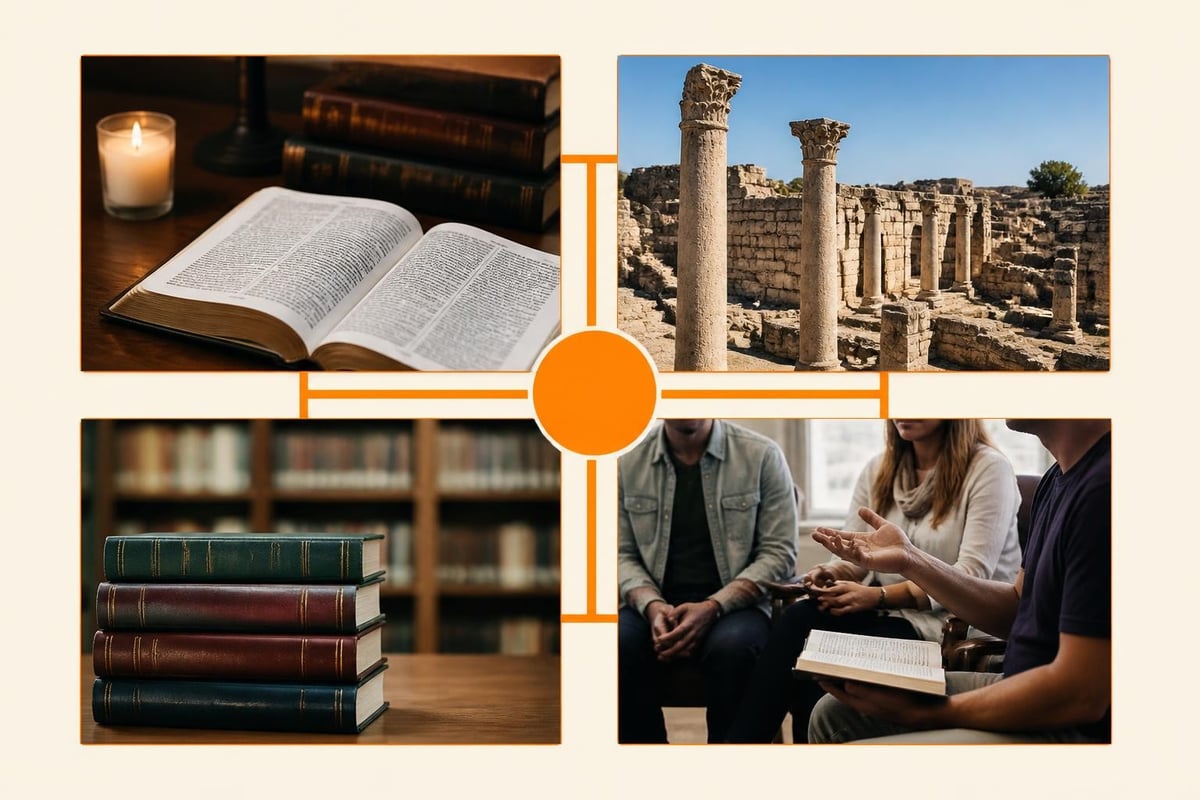
Biblical studies form another essential component, focusing on exegesis, hermeneutics, and the historical-critical methods needed to interpret Scripture accurately. Students learn to read texts in their original languages, understand cultural contexts, and apply sound interpretative principles.
Core Disciplines Within Theological Education
The foundation of any robust theological education includes multiple interconnected areas:
- Historical Theology: Traces the development of Christian thought across centuries
- Practical Theology: Applies theological knowledge to ministry contexts
- Philosophical Theology: Examines the rational foundations of religious belief
- Moral Theology: Studies ethical frameworks within Christian tradition
- Pastoral Theology: Focuses on leadership and care within faith communities
| Discipline | Primary Focus | Key Skills Developed |
|---|---|---|
| Systematic Theology | Doctrinal coherence | Critical thinking, synthesis |
| Biblical Studies | Scripture interpretation | Exegesis, language skills |
| Historical Theology | Tradition development | Contextual analysis |
| Practical Theology | Ministry application | Leadership, communication |
These disciplines work together to create well-rounded theological educators and ministry practitioners who can navigate both ancient wisdom and contemporary challenges.
Choosing the Right Level of Theological Study
Theological education accommodates learners at various stages of their spiritual and professional development. Understanding these levels helps you select programmes aligned with your calling and current expertise.
Foundation programmes introduce core concepts without requiring prior theological knowledge. Loyola Marymount University's theology courses demonstrate how institutions structure introductory material to integrate faith and reason effectively. These entry-level courses typically cover Bible survey, Christian history, and basic doctrine.
Intermediate theology courses build upon foundational knowledge by exploring specialized topics in greater depth. Students might examine specific biblical books, theological controversies throughout church history, or contemporary ethical issues through a theological lens.
Advanced Theological Training
Advanced programmes prepare students for professional ministry roles, academic teaching, or specialized counselling work. The University of Dallas theology courses illustrate the comprehensive nature of upper-level theological education, where students engage primary sources, conduct original research, and develop sophisticated theological arguments.
Graduate-level theology programmes often require:
- Reading proficiency in biblical languages (Hebrew, Greek)
- Comprehensive examinations covering major theological areas
- Thesis or capstone projects demonstrating original scholarship
- Supervised ministry experience or practicum placements
- Integration of theological knowledge with practical application
For those pursuing biblical counselling specifically, advanced training bridges theological understanding with psychological insight. Programmes like the Level 2: Advanced Biblical Counselling course develop specialized skills in crisis intervention and family counselling, preparing students to address complex pastoral care situations with both theological depth and practical competence.
Curriculum Design in Modern Theology Courses
Effective theology courses balance academic rigour with practical application, ensuring students can both articulate doctrine and live it out authentically. Modern curriculum design reflects this dual emphasis through innovative teaching methodologies.
Textual engagement remains central to theological education. Students spend significant time reading primary theological texts, from Augustine's Confessions to contemporary works addressing current issues. This direct engagement with source material develops critical thinking skills essential for ministry leadership.

Experiential learning components increasingly supplement traditional lecture formats. Many theology courses now incorporate:
- Community-based learning projects
- Supervised ministry internships
- Case study analysis of real pastoral situations
- Collaborative research initiatives
- Digital engagement with global Christian communities
Integration of Liberal Arts Principles
Providence College's approach to theology within liberal arts education demonstrates how theological study enriches broader intellectual development. Rather than existing in isolation, theology courses dialogue with philosophy, literature, history, and the social sciences.
This interdisciplinary approach produces ministry leaders who can:
- Engage cultural conversations with theological wisdom
- Recognize connections between faith and human experience
- Communicate effectively across diverse contexts
- Apply critical thinking to complex ethical dilemmas
- Lead with intellectual humility and cultural sensitivity
| Teaching Method | Learning Outcome | Ministry Application |
|---|---|---|
| Seminar Discussion | Critical engagement | Leading Bible studies |
| Research Papers | Analytical writing | Sermon preparation |
| Practicum Experience | Skill development | Direct pastoral care |
| Language Study | Exegetical precision | Accurate Bible teaching |
Specializations Within Theological Studies
As students progress through theology courses, many choose to concentrate in specific areas aligned with their ministry calling. These specializations allow for deep expertise while maintaining comprehensive theological grounding.
Biblical theology focuses intensively on Scripture, examining themes, narratives, and theological development across the biblical canon. Students develop advanced interpretative skills and learn to trace concepts from Genesis through Revelation.
Patristic studies explore the writings of early church fathers, understanding how the first Christian communities articulated and defended their faith. This specialization proves invaluable for understanding the development of core Christian doctrines.
Contemporary Theological Movements
Modern theology courses increasingly address contemporary theological conversations:
- Liberation theology and its global expressions
- Feminist and womanist theological perspectives
- Ecological theology and creation care
- Post-colonial theological frameworks
- Digital theology and online ministry
Georgetown University's theology programme offers concentrations that reflect this diversity, preparing students to engage both traditional and emerging theological questions with equal sophistication.
The journal Open Theology publishes peer-reviewed research across these diverse theological areas, providing students and practitioners access to cutting-edge scholarly conversation that informs contemporary ministry practice.
Practical Benefits for Ministry Leadership
Beyond academic credentials, theology courses develop practical competencies essential for effective ministry. These programmes transform passionate believers into equipped leaders capable of shepherding communities through spiritual growth and challenging circumstances.
Teaching proficiency emerges as students learn to communicate complex theological concepts clearly. Whether leading small group Bible studies or delivering Sunday sermons, theological education provides the content knowledge and communication skills necessary for effective spiritual instruction.
Counselling capability develops through theological anthropology-understanding the human person from a biblical perspective. This foundation proves essential for those providing pastoral care, as theological truth shapes how we understand human suffering, sin, redemption, and flourishing.
Building Theological Confidence
Many believers struggle to articulate their faith when challenged or questioned. Theology courses address this gap by:
- Providing systematic frameworks for understanding Christian doctrine
- Training in apologetics and faith defence
- Developing biblical literacy across both testaments
- Fostering ability to recognize and refute false teaching
- Building confidence in Scripture's authority and sufficiency
This theological confidence doesn't breed arrogance but rather humility grounded in truth. Well-trained theological students recognize the depths they haven't yet plumbed whilst remaining assured of Christianity's core claims.

Accreditation and Academic Standards
Quality theological education maintains rigorous academic standards whilst remaining accessible to diverse learners. Understanding accreditation helps students select programmes that provide legitimate credentials recognized by churches, denominations, and professional organizations.
Regional accreditation ensures institutions meet established educational standards across all disciplines. Theological institutions holding regional accreditation have demonstrated academic quality through peer review and ongoing assessment processes.
Specialized theological accreditation comes from bodies like the Association of Theological Schools (ATS), which specifically evaluates seminary and theological education quality. These organizations verify that theology courses meet profession-specific standards for ministry preparation.
| Accreditation Type | Ensures Quality In | Recognized By |
|---|---|---|
| Regional | Overall academic standards | All educational institutions |
| Theological | Ministry-specific training | Churches, denominations |
| Professional | Specialized practice areas | Licensing boards |
Online Theology Courses and Academic Rigour
Digital delivery has expanded access to theological education without compromising academic quality. Cornerstone Theological Seminary exemplifies institutions offering flexible online theology courses whilst maintaining biblical foundations and rigorous standards.
Effective online theological education includes:
- Live virtual seminars fostering peer interaction
- Asynchronous coursework accommodating diverse schedules
- Digital libraries providing scholarly resource access
- Video lectures from experienced theological educators
- Online cohorts building supportive learning communities
Graduate-Level Theological Education
For those pursuing advanced ministry roles or academic careers, graduate theology courses offer specialized training beyond undergraduate foundations. Providence College's Master of Arts in Theology demonstrates the depth available at this level, with concentrated study in specific theological areas.
Master's programmes typically require two to three years of full-time study and culminate in comprehensive examinations or thesis projects. These programmes prepare graduates for roles including:
- Seminary teaching positions
- Denominational leadership
- Advanced pastoral ministry
- Theological writing and publishing
- Specialized chaplaincy work
Doctoral programmes represent the pinnacle of theological education, training scholar-practitioners who contribute original research to theological disciplines. These intensive programmes usually span four to seven years and require substantial dissertation work demonstrating significant contribution to theological knowledge.
Concentrations in Graduate Theology
Graduate-level theology courses allow students to specialize whilst maintaining comprehensive theological grounding. Common concentrations include:
- Historical Theology: Focusing on specific periods or movements
- Systematic Theology: Developing comprehensive doctrinal frameworks
- Biblical Studies: Specializing in Old or New Testament scholarship
- Practical Theology: Emphasizing ministry application and leadership
- Ethics: Examining moral theology and contemporary issues
Continuing Education for Ministry Practitioners
Theological learning doesn't end with degree completion. Many ministry leaders pursue continuing education to remain current with theological scholarship, develop new competencies, or explore areas outside their initial specialization.
Certificate programmes offer focused study in specific topics without requiring full degree enrolment. These short-term intensives might address:
- Conflict resolution in church contexts
- Cross-cultural ministry competencies
- Digital ministry and online engagement
- Specialized counselling techniques
- Leadership development frameworks
Workshops and seminars provide concentrated learning experiences, often featuring renowned theological educators or practitioners. These events combine academic instruction with networking opportunities, building connections within broader ministry communities.
Professional Development Requirements
Many denominations and ministry organizations now require ongoing theological education for credential maintenance. This reflects recognition that effective ministry demands continual learning and adaptation as cultural contexts shift and new challenges emerge.
The University of the South's systematic theology courses offer examples of continuing education opportunities that deepen theological reflection whilst building upon existing ministry experience.
Selecting Theology Courses Aligned With Your Calling
Discerning which theology courses best serve your ministry calling requires honest self-assessment and clear understanding of your professional goals. Different programmes emphasize different aspects of theological education, making careful selection essential.
Consider your ministry context. Those called to pastoral ministry benefit from programmes emphasizing preaching, pastoral care, and church leadership. Missionaries might prioritize cross-cultural theology and contextualization. Biblical counsellors need solid theological foundations combined with practical counselling techniques.
Evaluate learning preferences. Some students thrive in traditional classroom settings with face-to-face interaction. Others benefit from flexible online formats accommodating work and family responsibilities. Hybrid models combining both approaches suit many learners.
Assessing Programme Alignment
Ask these questions when evaluating theology courses:
- Does the theological perspective align with your convictions?
- Will the programme's credentials serve your ministry goals?
- Can you realistically manage the time and financial commitment?
- Does the curriculum balance theory with practical application?
- Will you join a supportive learning community?
Quality theological education institutions provide clear information about their doctrinal positions, faculty qualifications, and student outcomes, enabling informed decision-making about programme selection.
Financial Considerations and Accessibility
Theological education represents a significant investment of time and resources. Understanding financial realities helps prospective students plan effectively and access available support.
Tuition costs vary widely across institutions, with online programmes often offering more affordable options than traditional residential models. Some denominational seminaries provide significant tuition subsidies for members pursuing ministry credentials.
Scholarship opportunities exist through:
- Educational institutions themselves
- Denominational education funds
- Ministry-focused charitable foundations
- Local church sponsorship programmes
- Government educational assistance
Many theological students work whilst studying, making flexible programme scheduling essential. Part-time enrolment allows students to maintain employment whilst progressing steadily through theology courses, though this extends time to completion.
| Funding Source | Typical Amount | Eligibility Criteria |
|---|---|---|
| Institutional Scholarships | 25-75% tuition | Academic merit, need |
| Denominational Support | Varies widely | Membership, ministry commitment |
| Church Sponsorship | Partial to full | Active participation, calling |
| Student Loans | Cost of attendance | Accredited programmes |
Global Perspectives in Theological Education
Contemporary theology courses increasingly incorporate global theological voices, recognizing that Christianity flourishes worldwide with rich diversity of expression and insight. This global perspective enriches theological understanding whilst preparing ministry leaders for increasingly multicultural contexts.
Majority World theology offers fresh perspectives on biblical interpretation, shaped by contexts of poverty, persecution, and rapid church growth. Students engaging these theological traditions gain insights often missed in Western-dominated theological discourse.
Ecumenical dialogue features prominently in modern theological education, helping students understand different Christian traditions whilst remaining grounded in their own theological commitments. This breadth proves invaluable for ministry leaders navigating religiously plural environments.
Technology Enabling Global Learning
Digital platforms now connect students worldwide, creating international learning communities that transcend geographical boundaries. Online theology courses can include students from multiple continents, enriching discussions with diverse cultural perspectives on shared theological questions.
This global connectivity also provides access to international theological educators, allowing students in remote locations to learn from leading scholars regardless of physical distance.
Quality theology courses transform passionate believers into equipped ministry leaders through systematic biblical education and practical skill development. Whether you're beginning foundational studies or pursuing advanced specialization, theological education deepens your understanding of Scripture whilst building competencies essential for effective ministry service. At MyFiladelfia Skills Development Provider, we're committed to empowering believers through thorough biblical education and counselling training, nurturing skilled ministry leaders who positively influence their communities with God's truth and love within a supportive learning family.